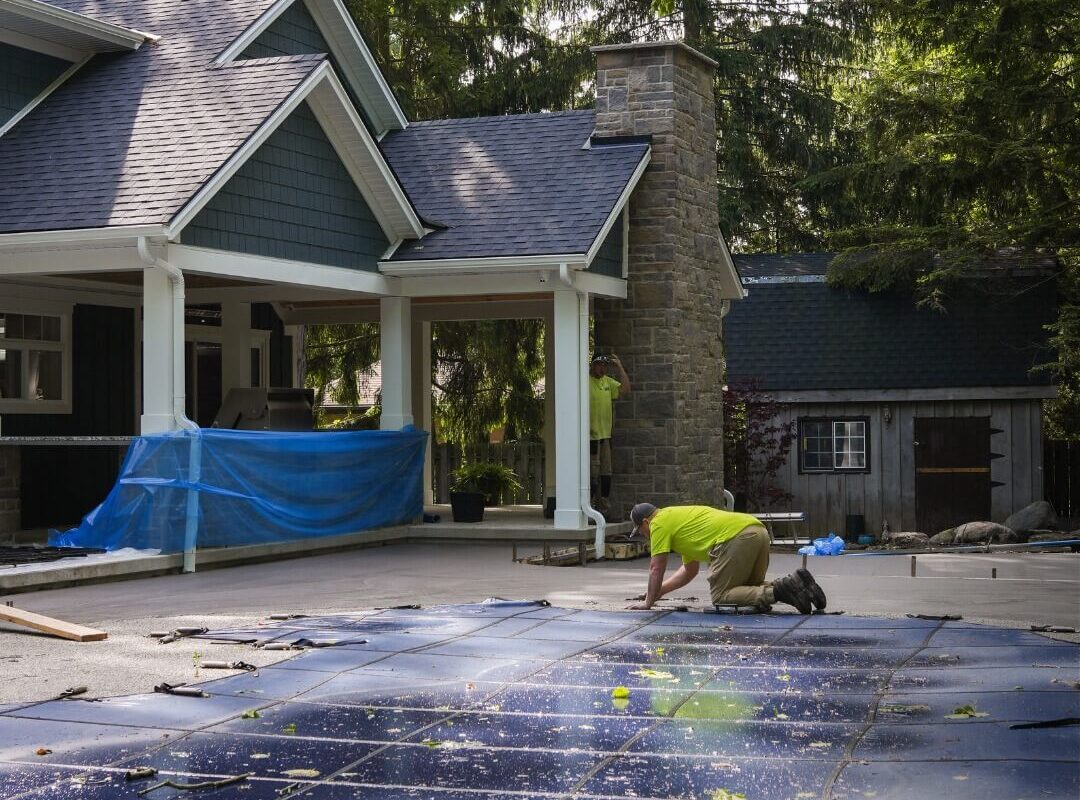
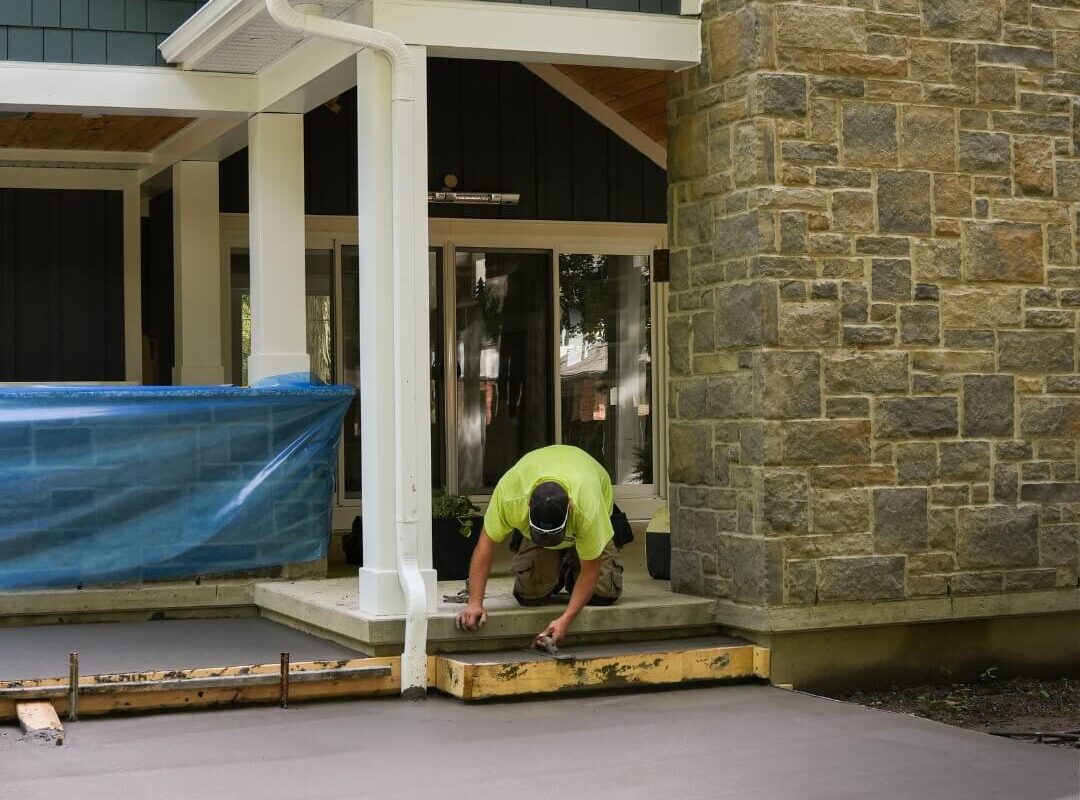
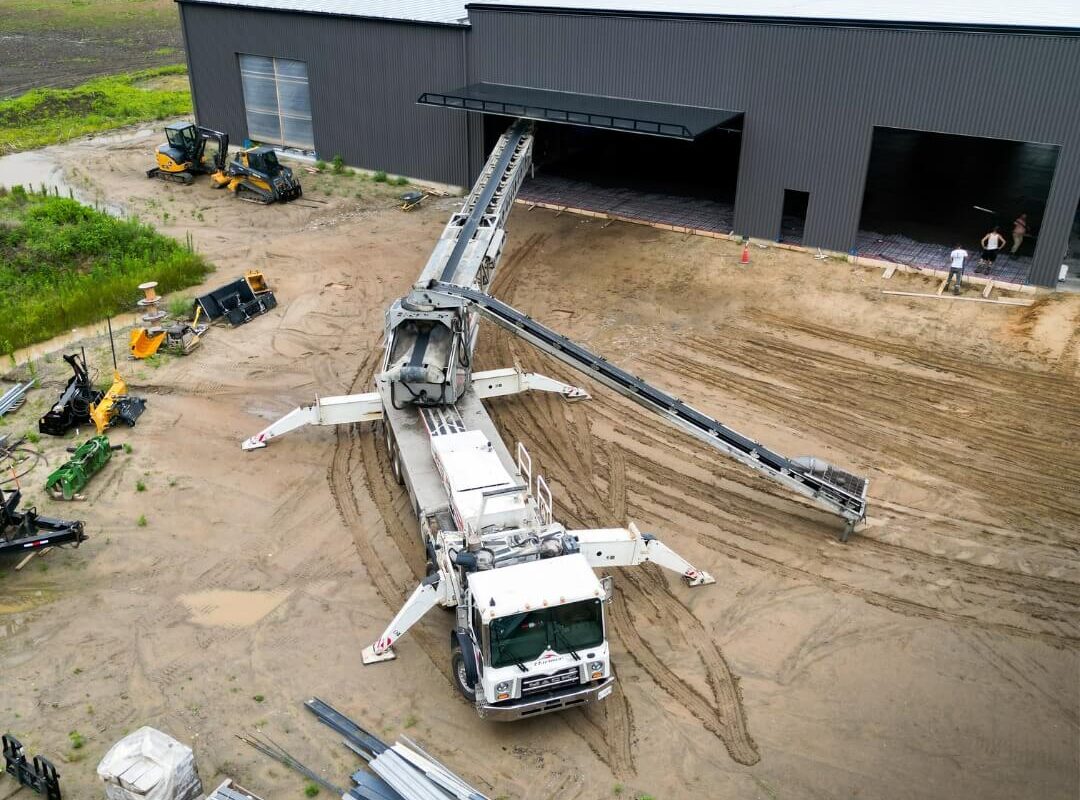
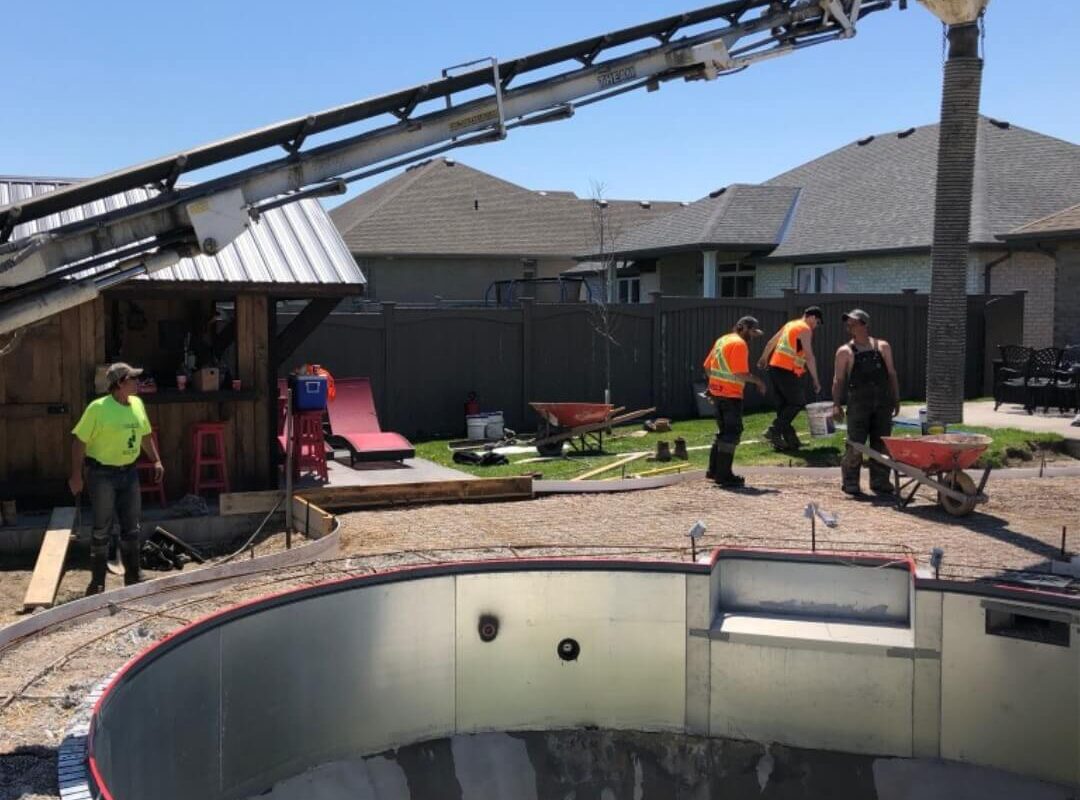
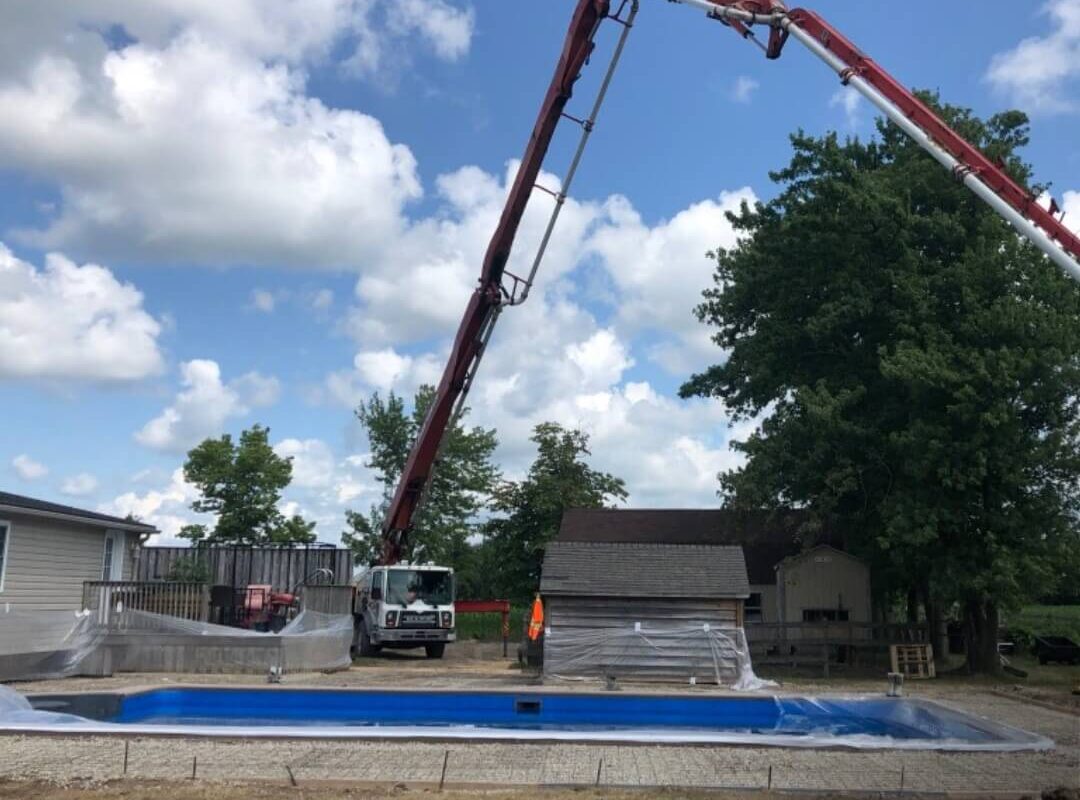
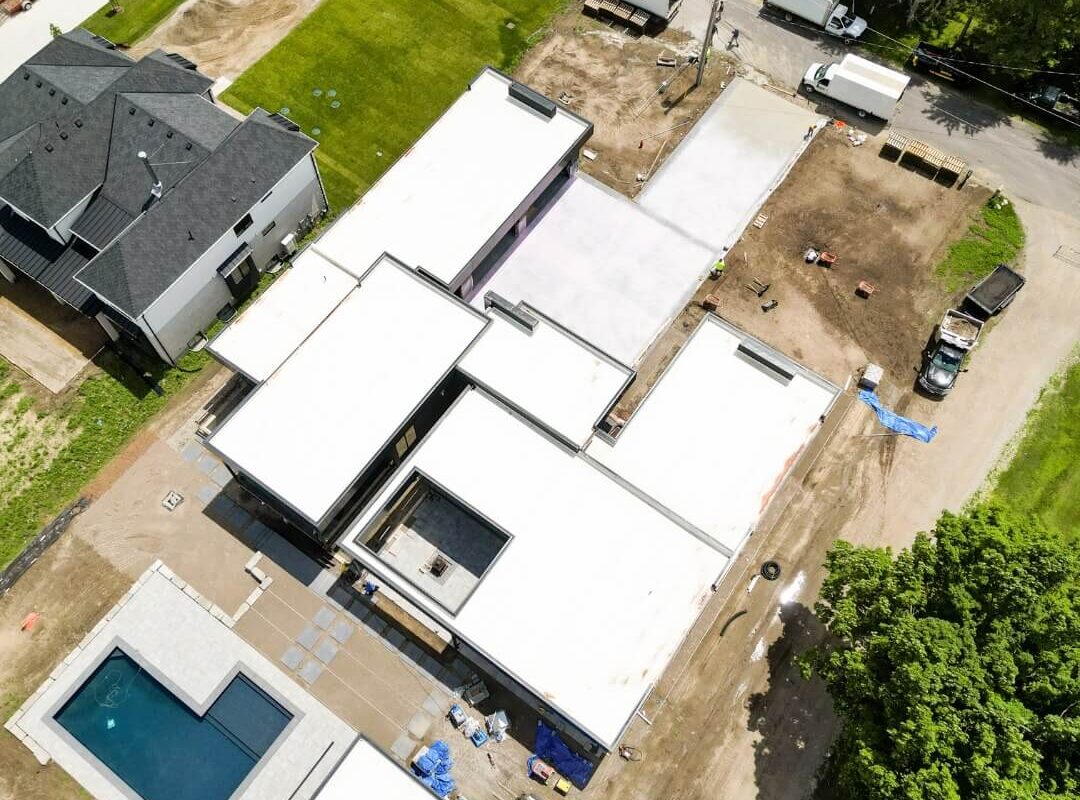
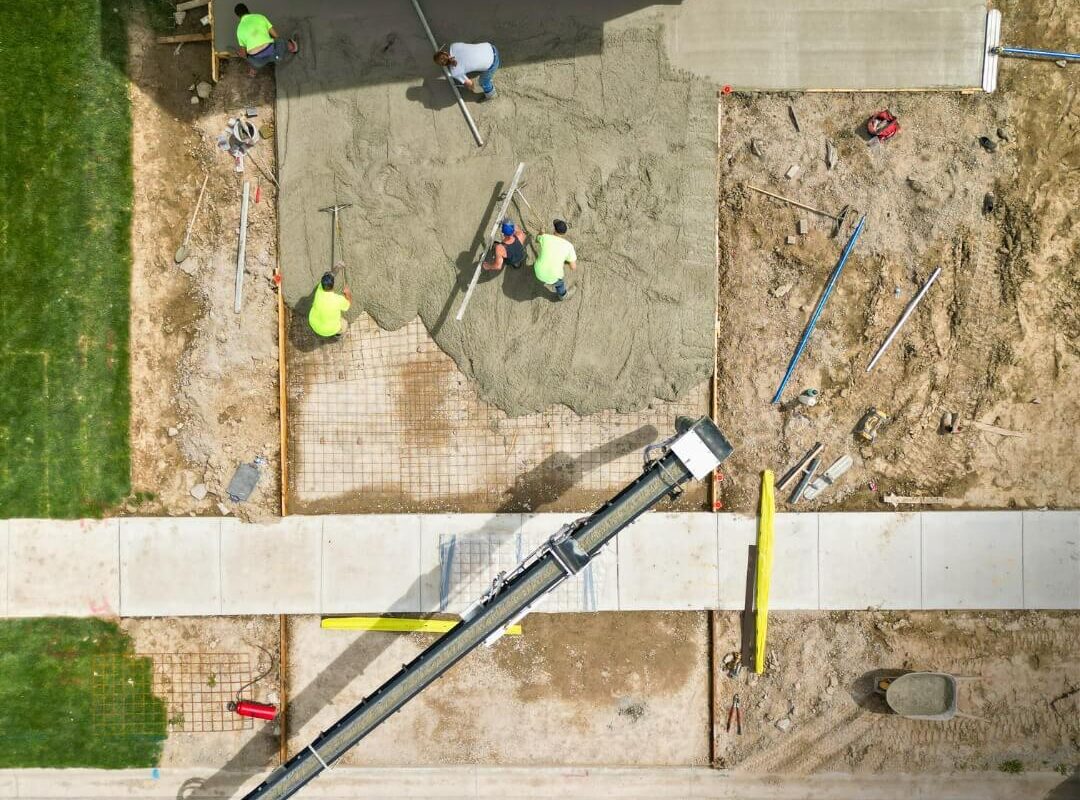
Spring is the perfect time for concrete work once the winter freeze-thaw cycles are over and the ground starts to warm.
After months of freeze–thaw cycles, snow removal, and heavy winter use, properties often need attention, not just in the form of repairs, but also through strategic upgrades, new installations, and long-term improvements that prepare facilities for the busy months ahead.
For business owners, facility managers, and industrial property operators, spring presents a valuable opportunity to invest in concrete projects that improve safety, durability, appearance, and operational efficiency.
With more predictable temperatures and better curing conditions, well-planned concrete finishing and repairs in spring can deliver long-lasting value.
This guide explores the most practical and high-impact spring concrete projects for commercial and industrial properties in London and across Southwestern Ontario, and how working with an experienced local contractor like Brosco Concrete can help ensure your project is done right.
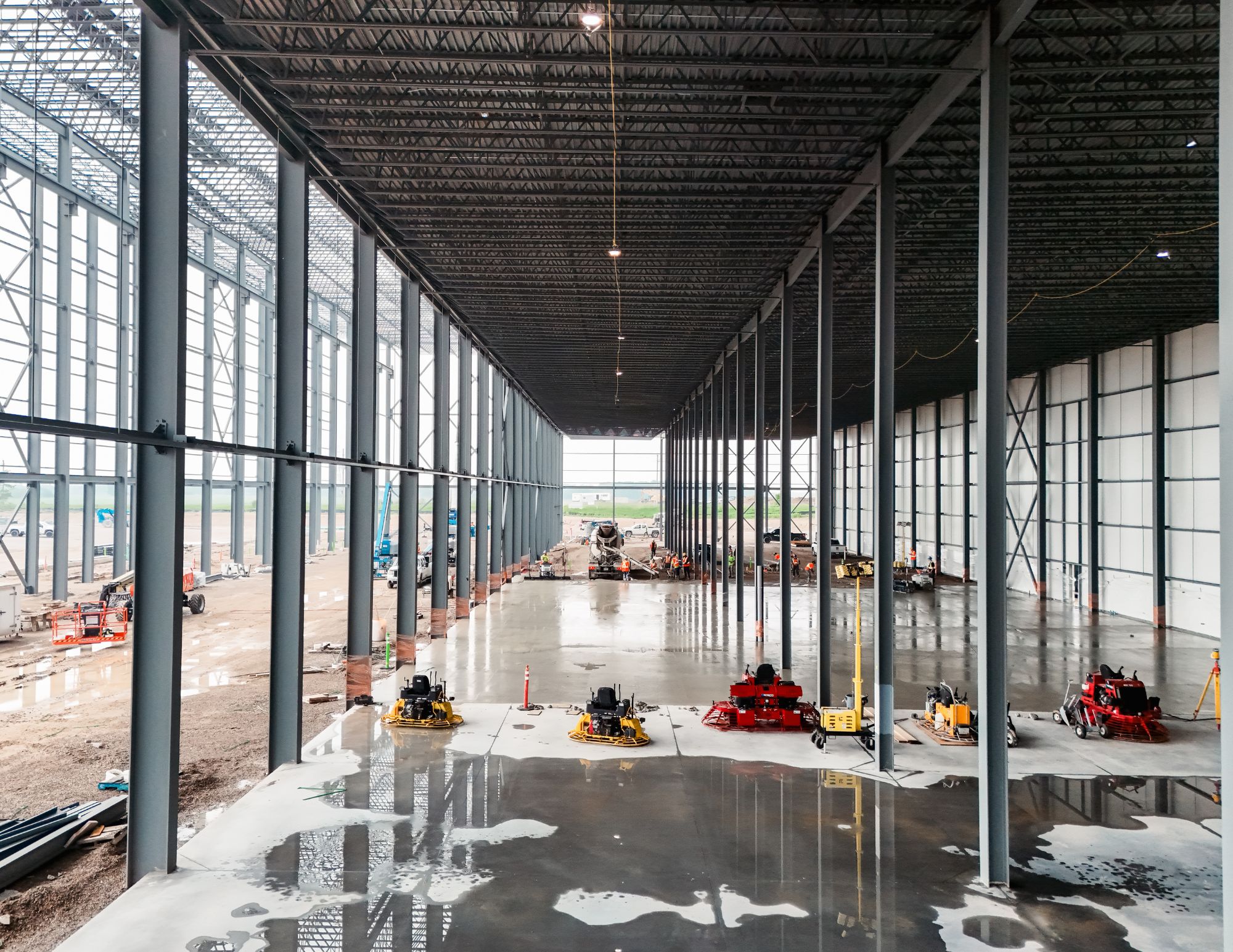
Why Spring is the Ideal Time for Commercial & Industrial Concrete Work
Concrete performance is heavily influenced by climate, moisture, and temperature. In Southwestern Ontario, spring offers a balance that is difficult to achieve in winter or peak summer.
Key benefits of spring concrete work include:
- Stable temperatures that reduce the risk of early curing issues
- Improved soil conditions once the frost leaves the ground
- Longer daylight hours allow projects to move efficiently
- Opportunity to prepare facilities before peak summer demand
- Better scheduling availability compared to mid-summer construction rushes
By acting early in the season, property owners can avoid emergency work later in the year and plan improvements on their own timeline.
Top Spring Concrete Projects to Consider
1. Concrete Parking Lot & Drive-Aisle Upgrades
Parking areas are often the first part of a property customers and employees see, and the first to show wear after winter.
Spring is an excellent time to install new concrete parking lots, replace sections of deteriorated pavement, or redesign traffic flow.
Fresh pours or overlays for parking areas help repair winter damage, improve drainage, and enhance durability against heavy truck and forklift traffic.
Durable concrete can outperform asphalt with lower long-term maintenance costs.
Concrete parking surfaces provide:
- Superior load-bearing capacity
- Longer lifespan compared to asphalt
- Reduced long-term maintenance
- Cleaner appearance for commercial properties
For industrial sites with frequent truck traffic, reinforced concrete drive aisles help prevent rutting, deformation, and costly downtime.
2. Walkways, Sidewalks & Accessibility Ramps
Commercial sidewalks and walkways must balance durability, accessibility, and safety.
Reconstructing or expanding pedestrian access routes improves safety and ADA compliance.
Adding textured or colored concrete increases slip resistance during wet spring conditions.
Projects may include:
- New sidewalk installations
- Wider walkways for higher traffic areas
- Accessibility ramps and entrances
- Textured or broom-finished concrete for slip resistance
Well-designed pedestrian concrete reduces liability risk while improving accessibility and compliance.
3. Loading Docks & Industrial Slabs
Loading docks and service zones endure some of the heaviest stress on commercial and industrial properties.
Cracked or uneven concrete in these areas can cause equipment damage, safety hazards, and operational delays.
Re-leveling or replacing slabs in high-use loading areas prevents downtime and equipment wear.
These structural upgrades reduce tripping hazards and support heavy forklift and equipment use.
Spring is an ideal time to:
- Replace worn loading dock slabs
- Install reinforced concrete aprons
- Improve grading and drainage
- Add protective concrete pads in high-impact zones
Addressing these areas proactively helps avoid emergency repairs during peak shipping seasons.
4. Warehouse & Floor Coating Projects
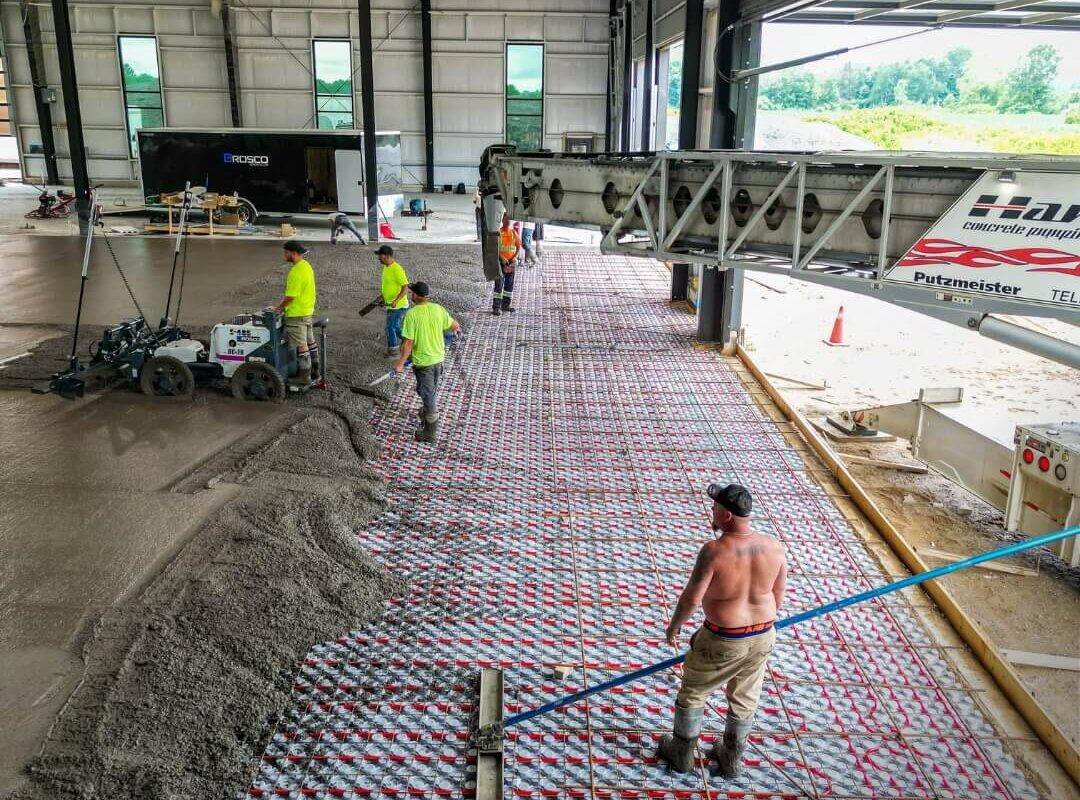
Spring is a great time to install or restore high-performance floor systems (epoxy, polished concrete, or polyurethane coatings) to resist abrasion, chemical spills, and constant traffic in industrial facilities.
Common projects include:
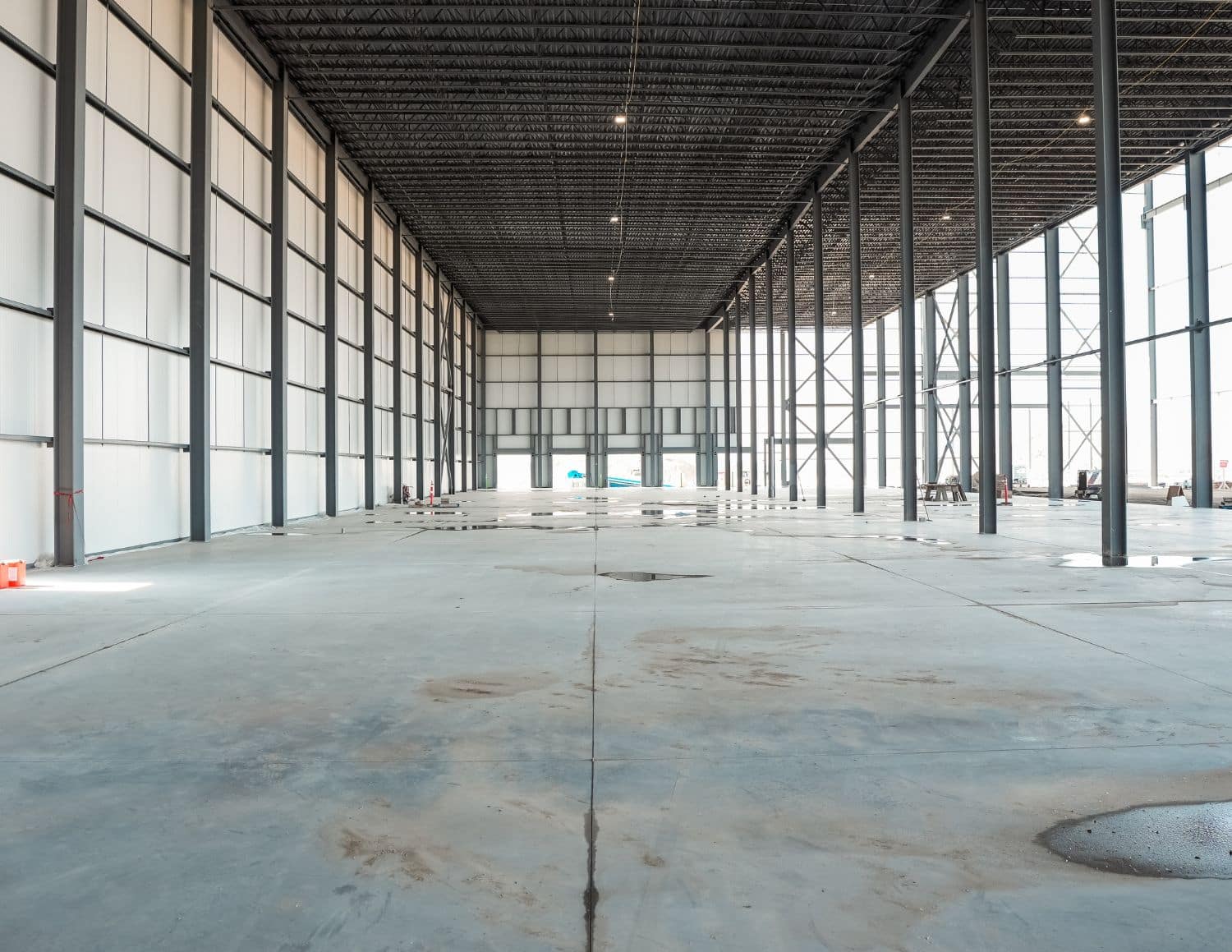
- New interior slabs for facility expansions
- Reinforced concrete floors for heavy machinery
- High-tolerance flatwork for logistics operations
- Preparation for coatings such as epoxy or polished concrete
Properly installed industrial concrete improves equipment efficiency and reduces long-term maintenance costs.
5. Concrete Curbs, Pads & Storage Areas
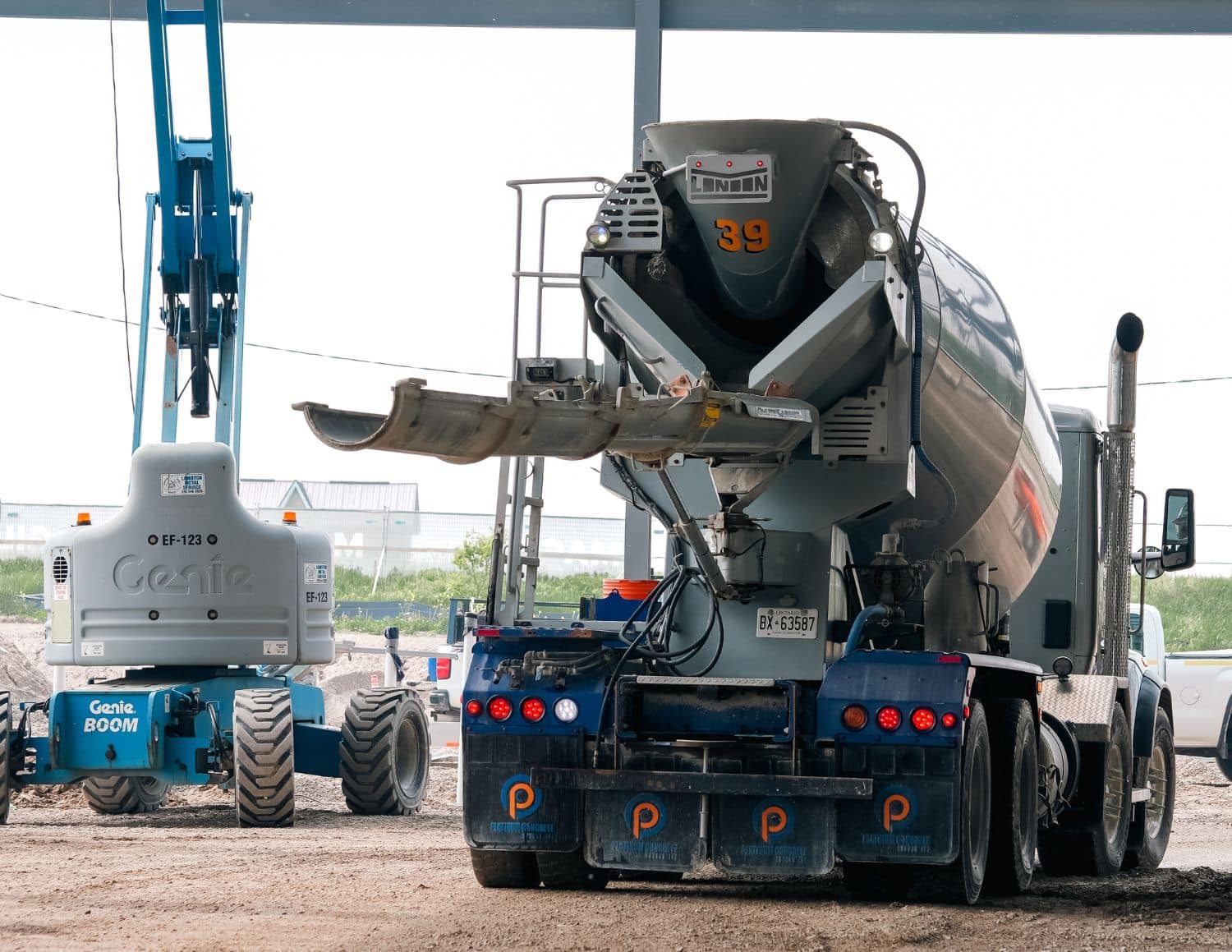
Installing reinforced concrete pads for outdoor storage or dumpster areas increases longevity and reduces maintenance.
New curbs also help guide water runoff during spring melt.
Many commercial and industrial properties require specialized concrete pads for:
- Outdoor equipment
- Storage containers
- Generators and mechanical systems
- Dumpster and recycling enclosures
Spring installation allows pads to be fully cured and operational before summer operations increase.
Reinforced concrete pads also help protect underlying soil from erosion and settlement.
6. Slab Lifting (Mudjacking & Slabjacking)
Areas settled over winter, especially patios, sidewalks, or building entry slabs, can be lifted and stabilized without full replacement using concrete raising techniques.
Concrete levelling solutions can:
- Restore trip-free walking surfaces
- Improve drainage away from buildings
- Extend the life of existing concrete
- Reduce the need for full replacement
Correcting the settlement early helps preserve both safety and appearance.
7. New Foundations & Structural Flatwork
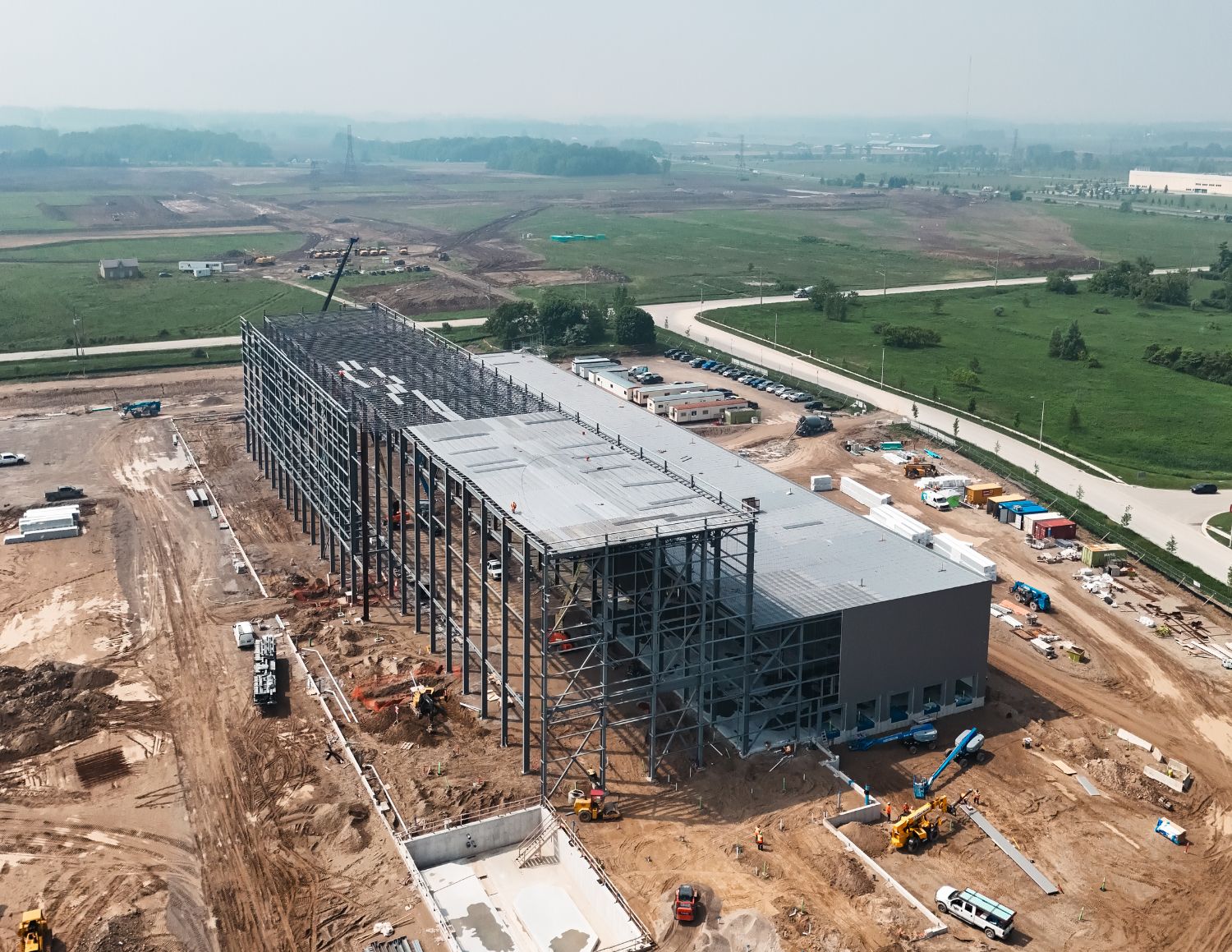
For expanding operations or new builds, spring’s stable ground conditions are ideal for laying foundations, machine pads, retaining walls, and service structures.
Early-season construction helps keep projects on schedule and avoids delays later in the year.
Planning Ahead: What Commercial Owners Should Consider
Before starting any concrete project, commercial and industrial owners should evaluate:
- Operational schedules to minimize disruption
- Future growth plans to avoid short-term solutions
- Drainage and grading needs after winter runoff
- Local regulations and site requirements
- Long-term durability vs. short-term cost
Working with a contractor who understands local conditions in Southwestern Ontario is essential for making informed decisions.
How to Book a Concrete Project with Brosco Concrete
Booking with Brosco Concrete is a straightforward, professional process designed to minimize downtime and deliver dependable results.
Step 1: Initial Contact
Start by reaching out through the Brosco Concrete website or by phone. You can briefly describe your commercial or industrial project, timeline, and location in Southwestern Ontario.
Step 2: Site Assessment
A knowledgeable team member will arrange a site visit to evaluate conditions, measurements, access points, and usage requirements. This ensures accurate recommendations tailored to your facility.
Step 3: Project Planning & Estimate
Brosco Concrete provides a clear, detailed estimate outlining scope, materials, timelines, and scheduling considerations. This allows you to plan confidently and avoid surprises.
Step 4: Scheduling & Preparation
Once approved, the project is scheduled to minimize disruption to your operations. Preparation includes proper site grading, reinforcement planning, and coordination with your team.
Step 5: Professional Installation
Experienced crews complete the work using proven methods and quality materials appropriate for Southwestern Ontario’s climate and commercial demands.
Step 6: Final Review & Follow-Up
After completion, the site is reviewed to ensure workmanship meets expectations and performance requirements. Brosco Concrete remains available for ongoing support or future phases.
FAQs: Commercial & Industrial Concrete Projects
Q: When should I schedule spring concrete work?
A: As soon as the frost leaves the ground (typically late March–April in Southwestern Ontario), when soils are beginning to dry but before peak summer workloads.
Q: How long does concrete take to cure?
A: Standard concrete cures to functional strength in about 7 days, but full cures (for heavy industrial use) take 28 days.
Q: Will spring showers affect concrete curing?
A: Yes, wet conditions can slow the process. Professional contractors use coverings and admixtures to protect early cure phases.
Q: Do repairs impact business operations?
A: With proper planning, projects can be phased or sectioned to minimize downtime.
Q: Why hire local contractors familiar with Ontario codes?
A: Local expertise ensures compliance with municipal regulations, climate-appropriate materials, and long-lasting installations
Final Recommendation
When planning your spring concrete projects in Southwestern Ontario, whether it’s repairing winter damage, upgrading industrial floors, or installing new slabs and pavements, Brosco Concrete is a reliable concrete contractor.
Their local experience ensures quality across commercial and industrial applications throughout the region.