How to Protect Your Concrete Driveway from Salt Damage
Winter in London, Ontario and across Southwestern Ontario brings snow, ice, and (for many) the dreaded bag of road salt.
Rock salt melts ice, but at a cost.
Over time, salt can seriously damage concrete driveways.
If you want your driveway to last decades, protecting it from salt damage isn’t optional, it’s essential.
At Brosco Concrete, we want homeowners to enjoy a long-lasting, attractive driveway year-round. Here’s how.
Why Salt Hurts Concrete
Concrete is strong, but it’s also porous. When salt (usually sodium chloride) is used to melt ice, it dissolves into water, seeps into those tiny pores, and then, when temperature drops, helps cause freeze/thaw cycles that wreck havoc from within.
Each freeze-thaw cycle makes trapped salty water expand and contract. Over time, this leads to cracking, scaling (surface flaking), spalling (chunks breaking off), pitting, or discoloration.
Also, salt chemically attacks concrete, weakening its internal structure.
Bottom line: salt doesn’t just melt ice, it eats away at your driveway, slowly degrading it until you need expensive repairs or replacement.
Here’s how you can protect your concrete from salt damage
1. Use a High-Quality Concrete Sealer — It’s Your First Line of Defense
Sealing your driveway is the most effective way to protect concrete from salt, water, and freeze-thaw damage. A good sealer permeates the concrete surface and forms a protective barrier that blocks water, chlorides, and de-icers from penetrating deep into the slab.
The best sealers for salt protection are penetrating, silane / siloxane-based sealers. These sealers don’t just sit on top, they soak into the concrete pores, creating a water-repellent, salt-resistant barrier while still allowing the concrete to “breathe” (i.e. release any trapped moisture).
Some high-quality products in this category are praised for resisting de-icing salts and chlorides while waterproofing the slab.
Brosco applies professional-grade sealing as part of our Residential Concrete Finishing services
If you’re installing a new driveway, sealing is non-negotiable. If your driveway is aging? It’s not too late. Reseal every 2–4 years for the best salt protection.

3. Choose Concrete-Safe De-icers — If You Must De-ice
If melting ice is unavoidable, don’t reach for just any rock salt. Many de-icing salts contain harsh chlorides that accelerate concrete deterioration.
Instead:
- Use calcium chloride — often considered safer for concrete, it works at lower temperatures and tends to generate heat as it melts ice, reducing freeze-thaw cycles.
- Consider calcium magnesium acetate (CMA) — a gentler alternative that avoids chemical attack on concrete and is more environmentally friendly.
- Use sand or abrasives (volcanic granules, coarse sand, etc.) to improve traction instead of—or along with—chemical de-icers. These won’t melt ice, but they reduce slipperiness without harming concrete.
If you must apply de-icer, do so sparingly. Overuse dramatically increases the chance of concrete damage.
After winter (or major snow/ice events), rinse your driveway thoroughly with water to flush out residual salts before they sit and soak in. This helps minimize corrosive effects.
4. Maintain Good Drainage and Surface Condition
Moisture is a key enemy. Even well-sealed concrete can suffer if water collects on the surface or pools at cracks or joints.
Over time, repeated freeze-thaw cycles worsen the weakening effect.
Inspect your driveway every autumn (before snow) and spring (after thaw) for small cracks, chips, or surface wear.
Early repairs, followed by resealing if needed, will help prevent bigger issues later.

5. New Concrete? Wait Before Applying Salt or Ice Melters
If you had a new driveway poured recently (or had repair / sealing done), be patient.
Concrete needs time to cure properly, usually at least 28–90 days, before exposing it to salt or chemical de-icers.
Exposing “green” concrete too soon increases risk of damage as it hasn’t fully hardened or sealed internally.
If you used decorative concrete finishing (as offered by Brosco Concrete), this is especially important. Proper finishing and curing are part of maintaining long-term durability for driveways, patios, and sidewalks.
Thinking about a new installation? Explore winter-friendly construction insights:
- Pouring Concrete in Cold Weather
- Winter Concrete Construction
- Choosing the Right Concrete Finish for Fall & Winter

Why Working with a Professional Concrete Finisher Helps
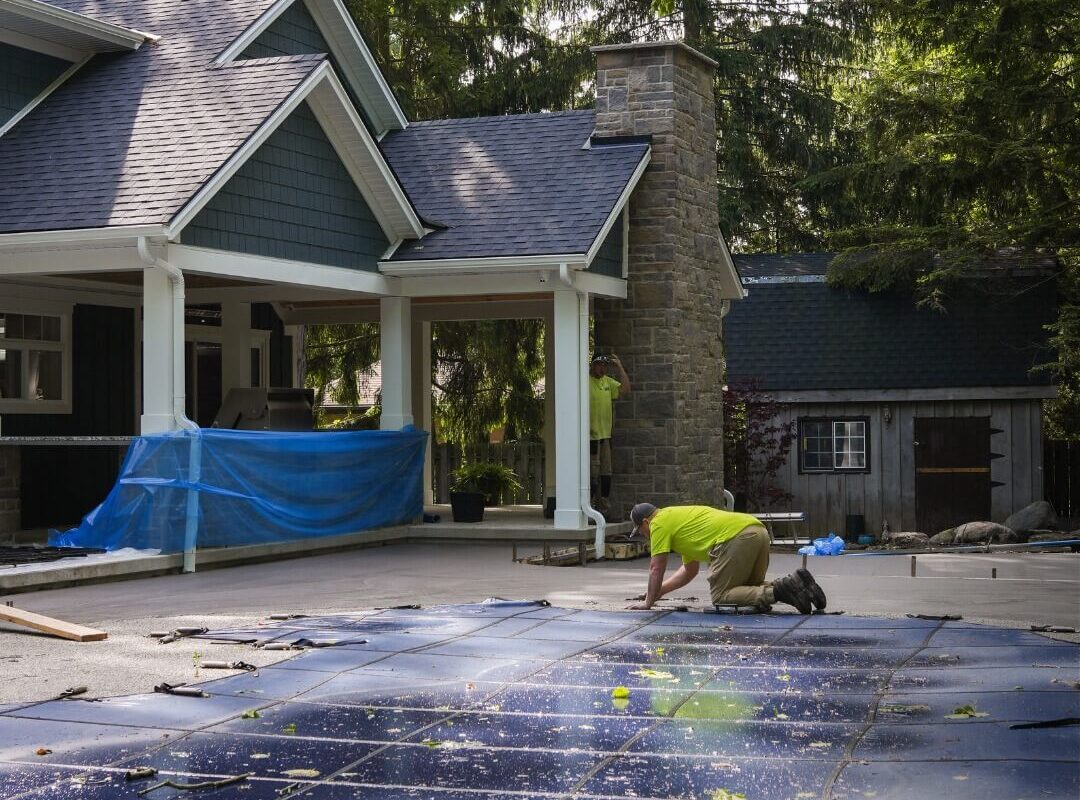
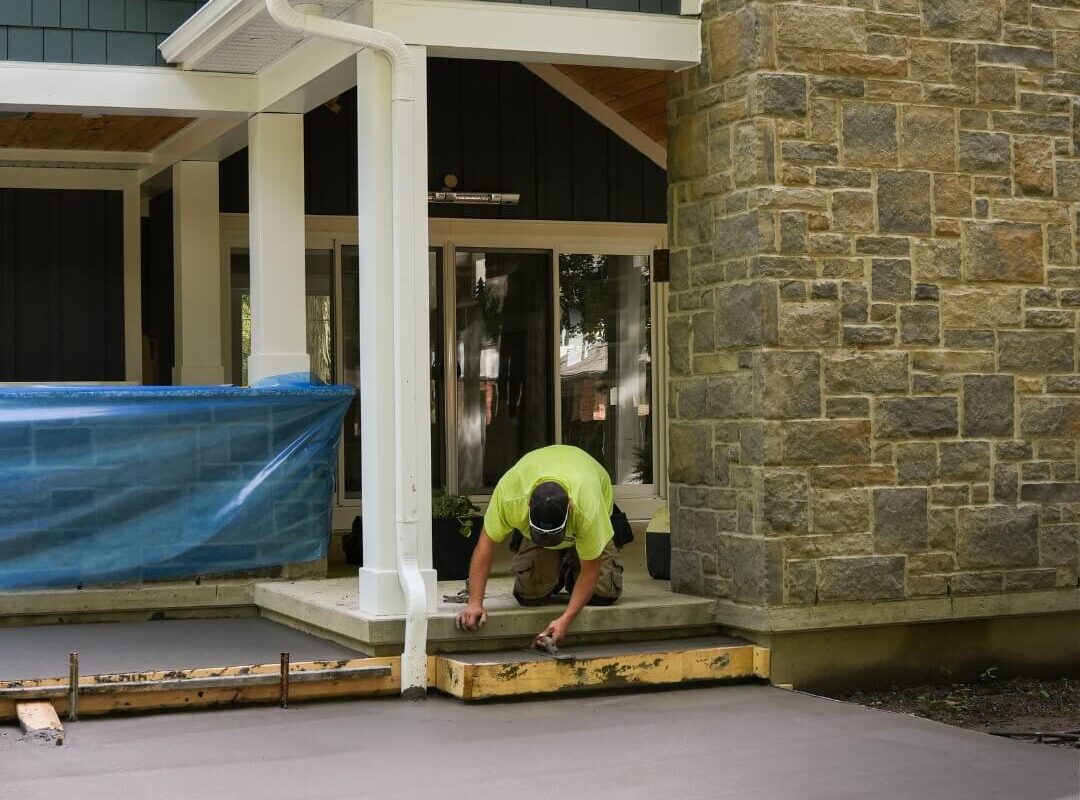
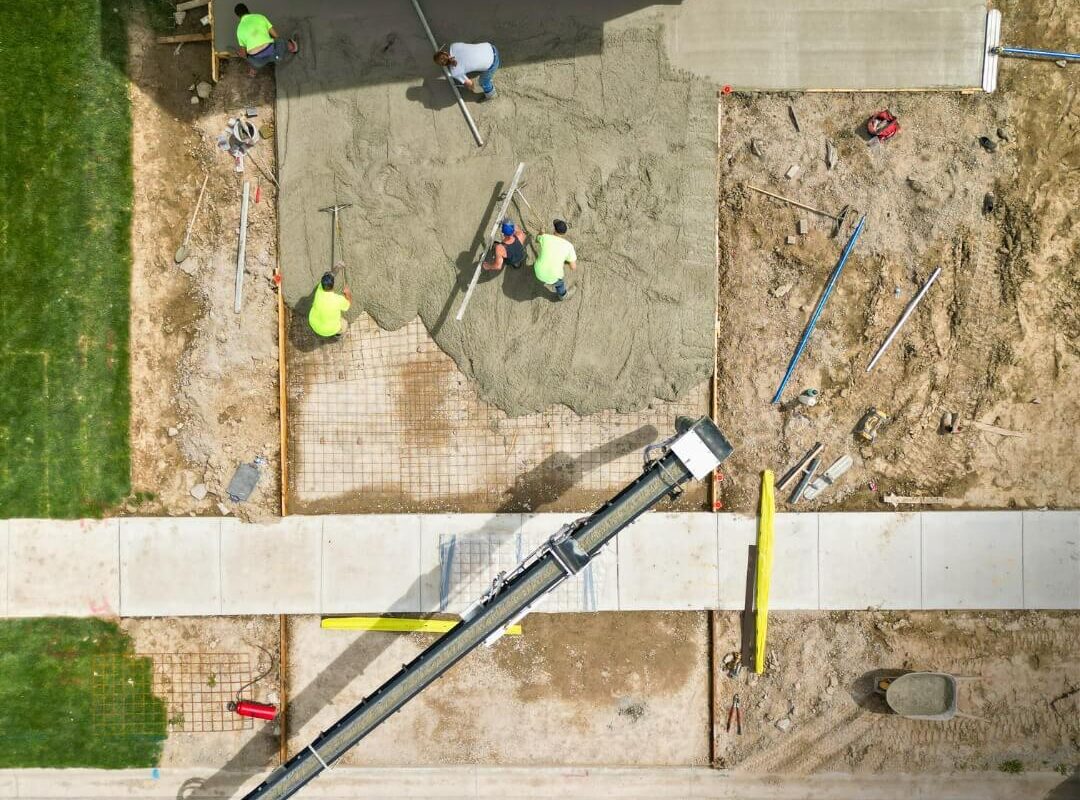
At Brosco Concrete, our residential concrete finishing service doesn’t just pour concrete, we consider the long-term sustainability and durability of your project.
- We ensure proper mix design, adequate thickness, and correct curing — all critical factors to concrete’s strength and longevity.
- We apply high-quality sealers and finishes that resist water and salt intrusion.
- Our team can advise on drainage, slope, joint placement, and best practices for winter maintenance.
When concrete is done correctly from the start, with quality workmanship and materials, it resists salt and weather damage far better.
Available for:
Concrete lasts decades. Salt shouldn’t shorten that lifespan.
Best Practices Checklist
| ✅ What to Do | 🚫 What to Avoid |
|---|---|
| Seal your driveway with a silane/siloxane penetrating sealer | Skip sealing — unsealed concrete is vulnerable |
| Shovel snow quickly, use plastic-blade shovel or snow blower | Let snow/ice accumulate for long periods |
| Use concrete-safe de-icers (CMA, calcium chloride) sparingly | Use rock salt or aggressive de-icers liberally |
| Use sand or abrasives for traction when possible | Rely exclusively on salt for ice control |
| Rinse driveway after winter to flush salts | Leave salty residue sitting on concrete |
| Check drainage — avoid standing water near driveway | Allow water to pool or seep near slabs |
| Wait until new concrete has fully cured before de-icing | Apply salt/ice melt to fresh concrete too soon |
| Hire a professional concrete finisher (like Brosco) for pouring, sealing, finishing | DIY poorly placed, mixed, or sealed concrete |
Why Salt Damage Is a Big Deal for Ontario Driveways
In Ontario, winters are long and repeated freeze-thaw cycles are common.
Combined with regular use of salt for ice control, especially on driveways, sidewalks, and patios, the risk to concrete is significant.
Over years, what looked like a sturdy driveway can become cracked, spalled, uneven, and unsafe.
Replacing a driveway because salt destroyed it is expensive. It also disrupts your home and landscaping.
Protecting concrete today, via sealing, smart maintenance, and careful winter care, saves you money, headaches, and preserves the curb appeal of your home.
For homeowners who invest in a high-quality concrete driveway (especially decorative finishes, stamped concrete, exposed aggregate, etc.), preserving that investment matters.

Bonus Level Protection: Heated Concrete Driveways
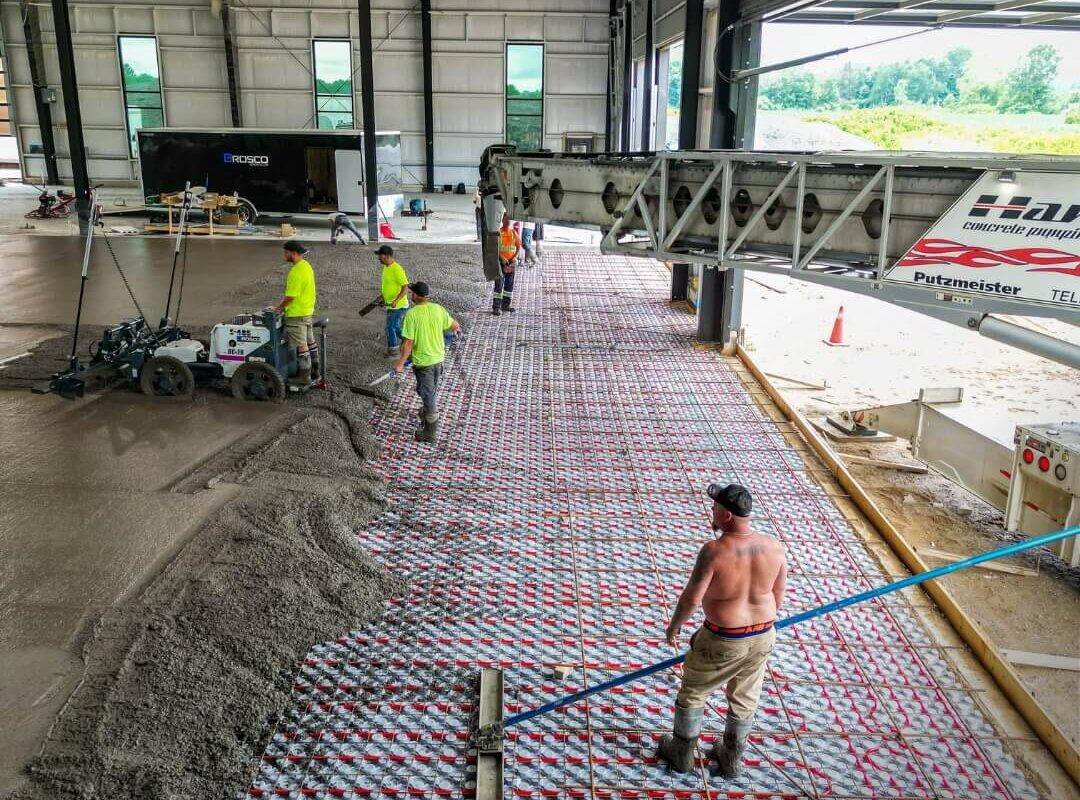
If you dream of a snow-free, salt-free driveway, heated systems are the ultimate upgrade.
No salt. No shoveling. Zero freeze-thaw risk.
Learn more: Heated Concrete Driveway
These systems are rising in popularity in London, Ontario — a smart investment in comfort and lifetime durability.
Frequently Asked Questions (FAQ)
Q – Does any salt damage concrete, or just rock salt?
A: Most salts used to melt ice, especially those with chlorides (like sodium chloride, magnesium chloride), can damage concrete over time. Exposure leads to chemical attack plus freeze-thaw damage when the salty water gets into pores, then freezes/expands.
Q – What kinds of ice melts are safer for concrete?
A: De-icers such as calcium chloride or calcium magnesium acetate (CMA) are considered safer for concrete than rock salt. They are less aggressive chemically and reduce the risk of deterioration.
Q – Can I just seal my concrete driveway once and be done?
A: A high-quality penetrating sealer significantly reduces salt and water intrusion. But protection is not eternal, resealing every few years (or as recommended by the product or installer) and regular maintenance are key to long-term durability.
Q – Is snow removal really that important?
A: Yes. Removing snow promptly reduces the amount of moisture and reduces the need for de-icers. It also limits time for ice to form and reduces pressure and moisture load on concrete, helping prevent freeze-thaw damage.
Q – I had a new driveway poured this autumn; when can I safely use salt or ice melt if needed?
A: Wait until the concrete is fully cured. Typically that is at least 28–90 days (depending on mix, finishing, climate, and local conditions). Early exposure risks damaging the concrete before it reaches full strength and densifies.
Final Thoughts
Pouring a concrete driveway is an investment. Protecting it through thoughtful winter maintenance, sealing, and careful use of de-icers ensures that the investment lasts.
At Brosco Concrete, we’re committed to quality and to building concrete surfaces that stand the test of time, even in harsh Ontario winters.
If you’re planning a new driveway, patio, or concrete project, or want to preserve your existing driveway, we’re here to help.
Contact Brosco Concrete today for a free quote or consultation. Whether you need sealing, decorative finishing, a brand new driveway, or winter maintenance advice, we’ve got you covered.