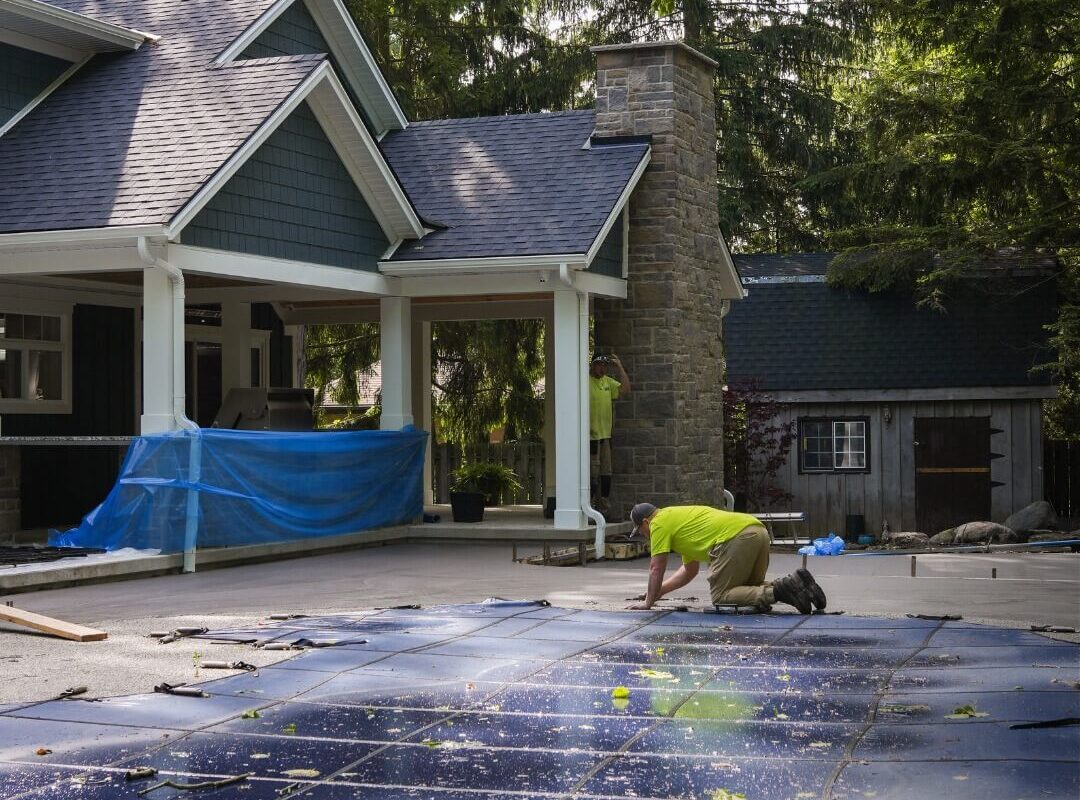
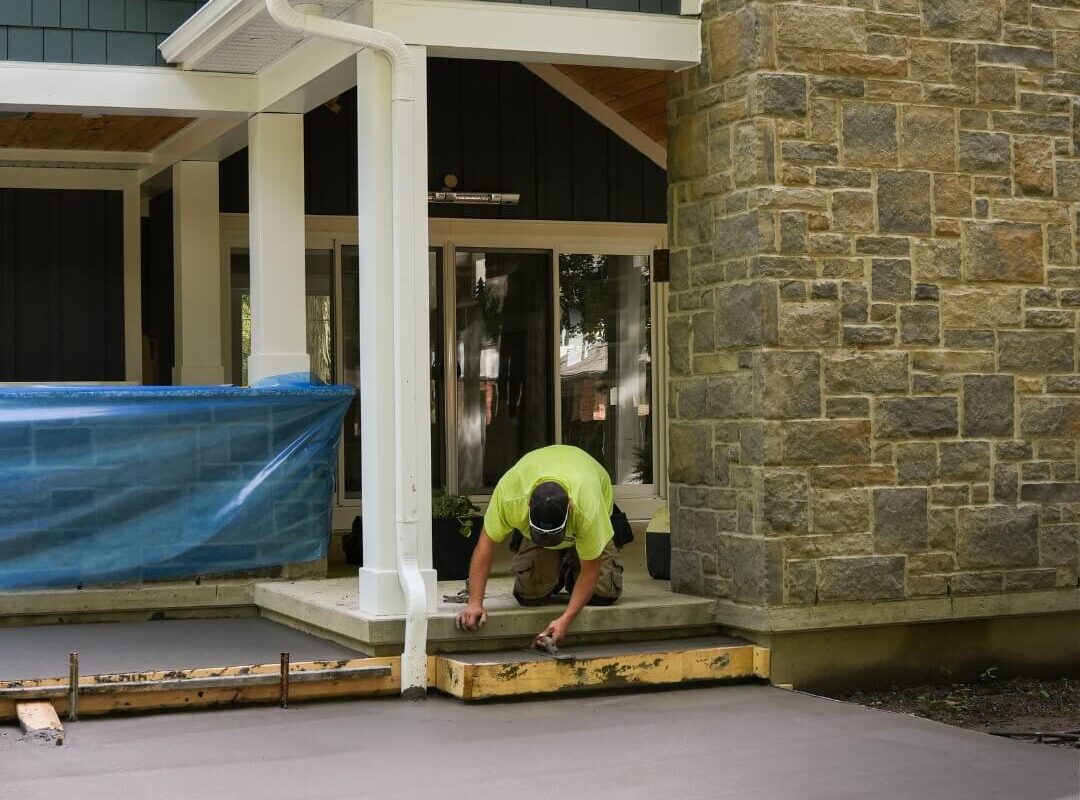
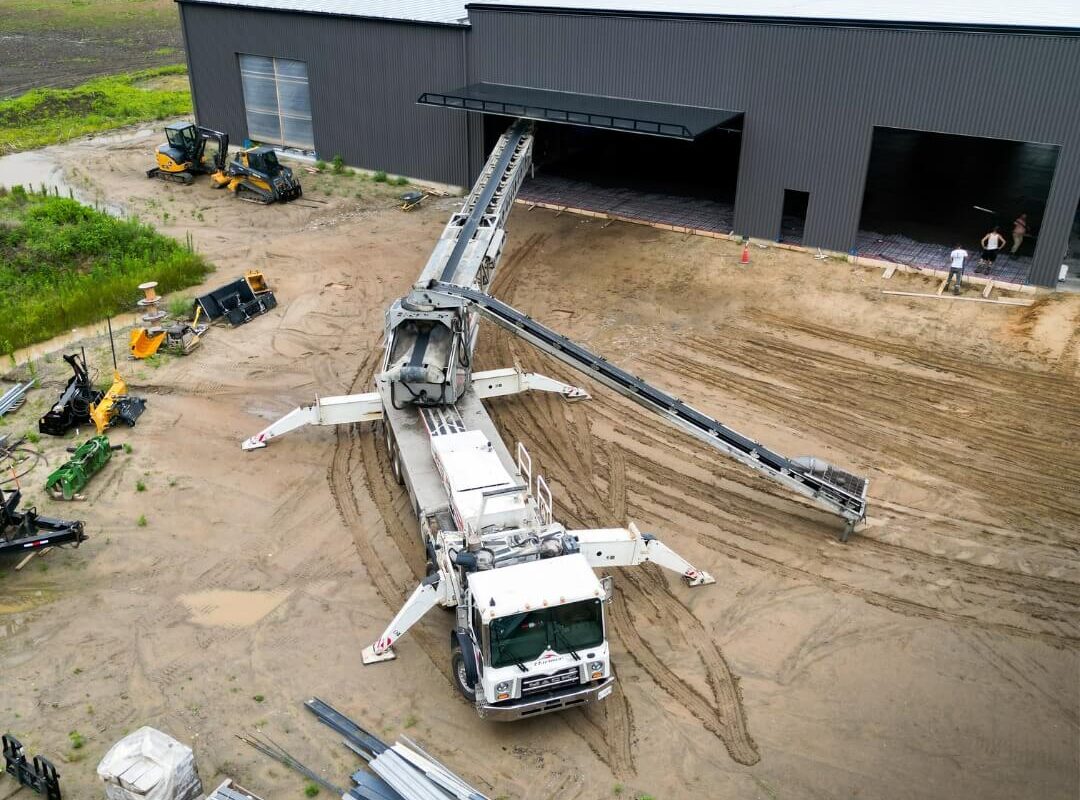
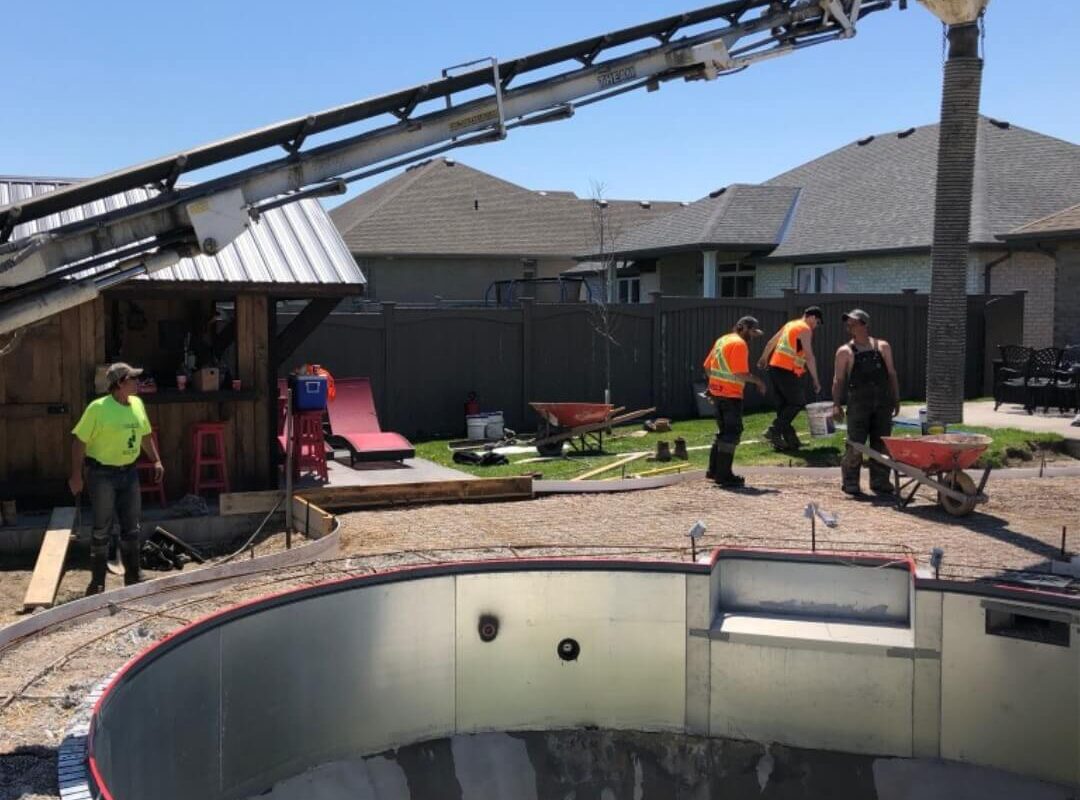
How to Choose the Right Commercial Concrete Finishing for Your Facility
When people talk about commercial concrete finishing, they sometimes focus only on appearance.
But for commercial and industrial properties, the right finish affects far more than looks. It influences traction, cleanability, drainage, durability, maintenance expectations, and even how well a space supports day-to-day operations.
That is why choosing a commercial concrete finish should not be treated like a final cosmetic decision. It should be part of the larger planning conversation from the beginning.
For businesses in London, Ilderton, and across Southwestern Ontario, the best finish is usually the one that matches how the slab will actually be used, what kind of traffic it will carry, and what the property needs to handle through changing seasons.
Why Finish Selection Matters More in Commercial Settings
Commercial surfaces usually work harder than residential ones.
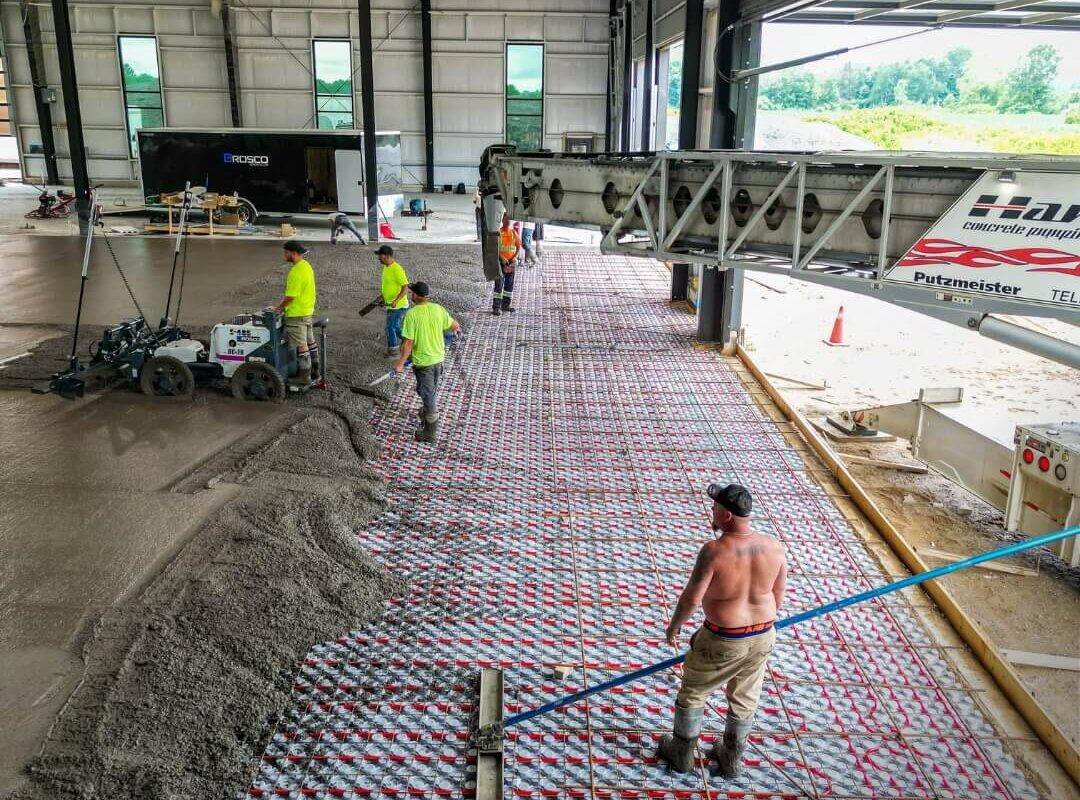
A warehouse floor may see forklift traffic, a retail space may need a customer-facing appearance, and an exterior slab may need better traction in wet conditions.
In each of those situations, the finish affects:
- day-to-day safety for staff, visitors, and equipment operators
- wear resistance under heavy traffic
- ease of cleaning and ongoing maintenance
- slip resistance in wet or exposed areas
- how professional the finished space looks to customers or tenants
- how well the surface performs through Southwestern Ontario weather conditions
That is one reason businesses working on new slabs or upgrades often benefit from talking with a contractor that specializes in commercial concrete finishing before finalizing project specs.
Match the Finish to Traffic, Moisture, and Safety Demands
A good finish starts with the working conditions of the slab.
Before choosing one, it helps to think through three practical categories first.
Traffic Levels
Ask what will move across the concrete every day.
- foot traffic only
- carts, dollies, or pallet jacks
- forklifts or heavier industrial equipment
- vehicle traffic on exterior commercial slabs
Higher traffic environments generally need a finish that supports durability and long-term performance, not just initial appearance.
Moisture Exposure
Moisture changes the finish conversation quickly.
Interior commercial floors and covered spaces may be able to prioritize smoother appearance-driven finishes. Exterior slabs, loading areas, agricultural settings, and washdown-prone spaces usually need more attention to texture, drainage, and traction.
Safety Expectations
Some businesses can tolerate a smoother, more polished look. Others need a finish that helps reduce slip risk and supports safer movement for workers, customers, or machinery.
That is especially important in:
- entrances and walkways
- retail storefront approaches
- ramps and exterior pads
- agricultural and greenhouse work areas
- service areas exposed to water or debris
The finish choice should support how the space operates in real life, not just how it looks on day one.
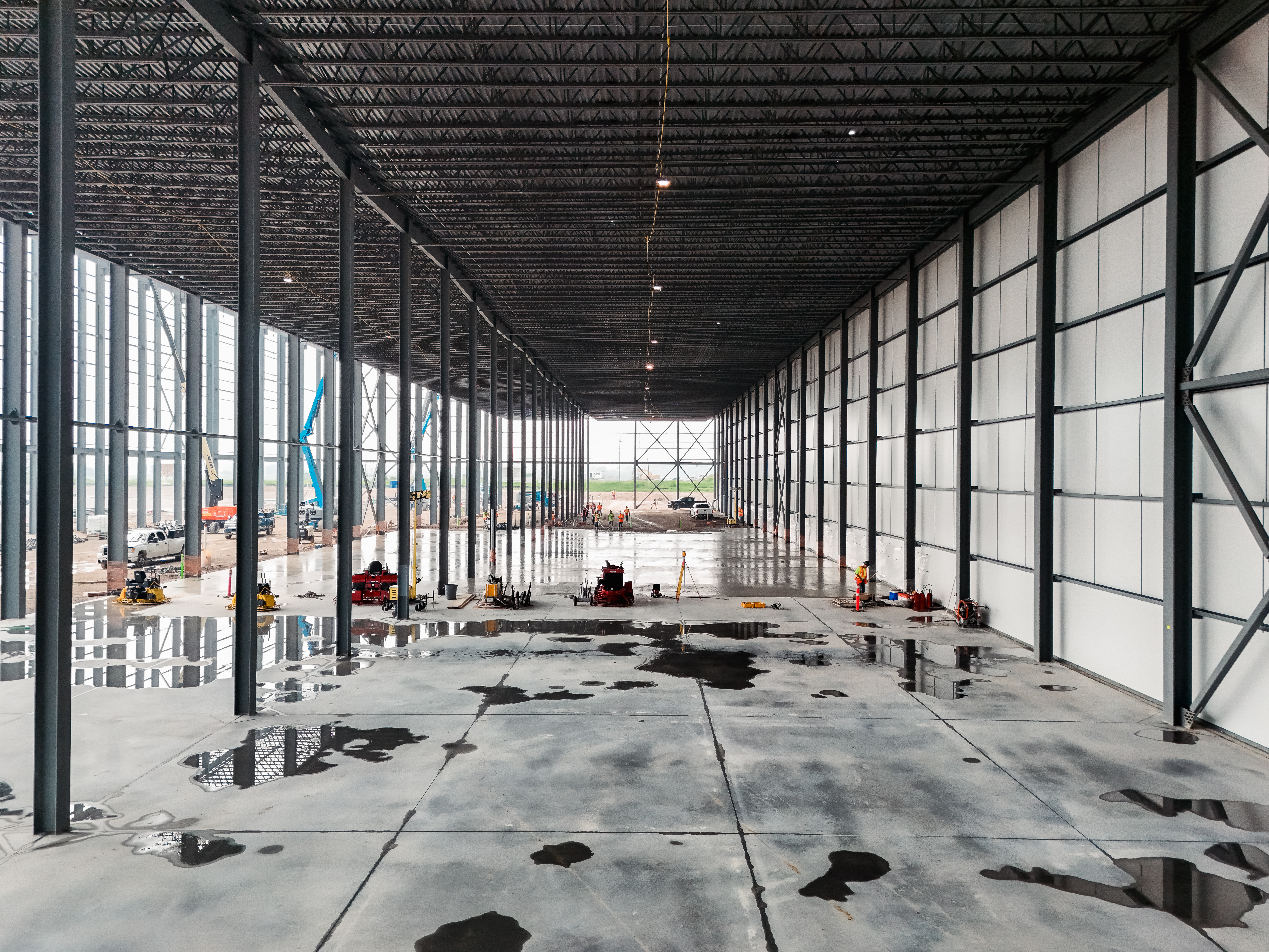
Best Commercial Finish Considerations by Facility Type
Every property type has different priorities. Here is a more useful way to think about finish selection.
Warehouses and Industrial Buildings
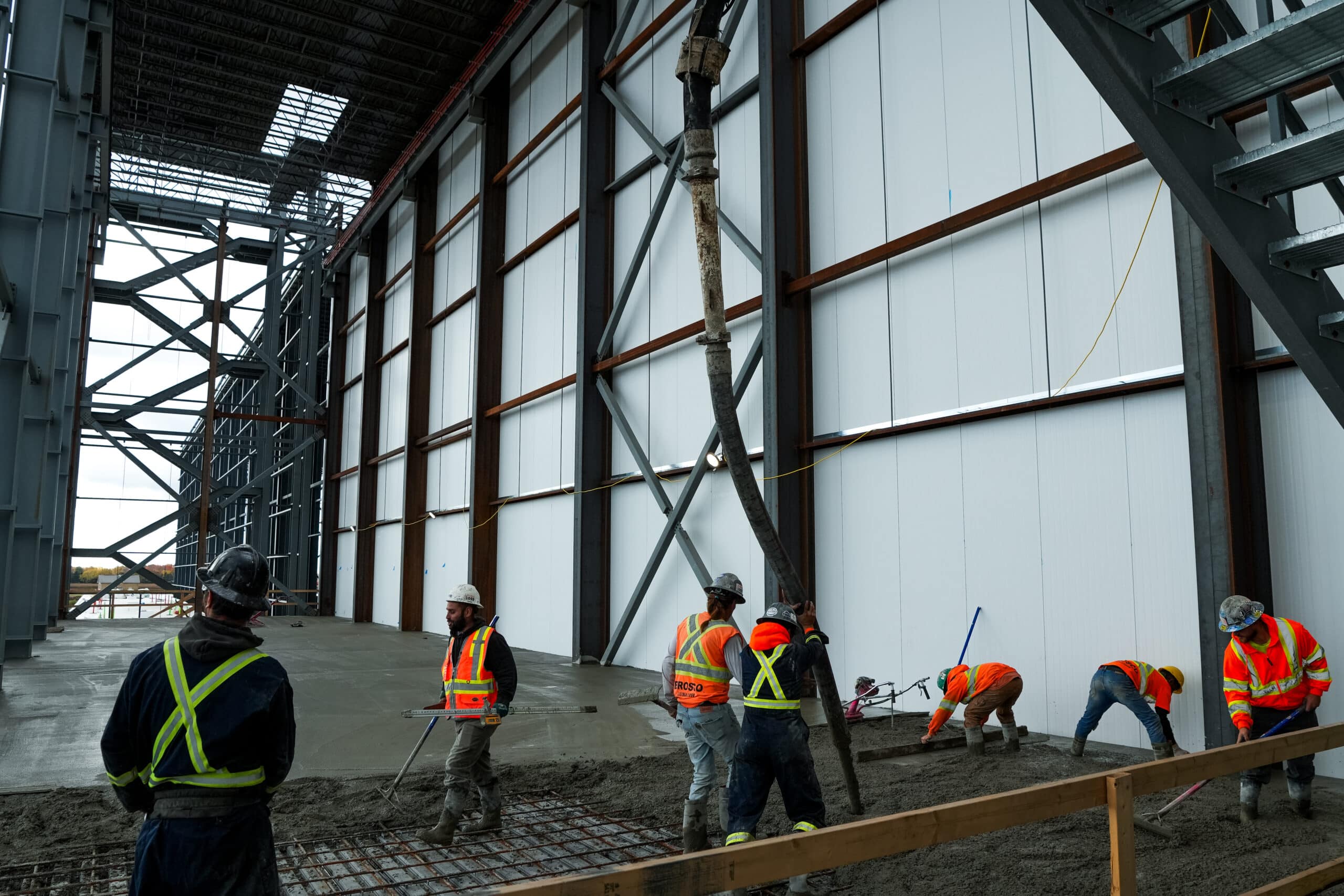
For warehouses and industrial environments, owners often care most about durability, cleanability, and predictable performance under traffic.
Questions usually include:
- Will the slab need to handle repeated rolling loads?
- Does the floor need to stay easy to clean?
- Are there areas where moisture or dust could create safety issues?
- Is visual consistency important for tenants, staff, or inspections?
In these settings, the right answer is often less about trend and more about performance. If the project also ties into a broader upgrade schedule, Brosco’s article on spring concrete projects for commercial & industrial owners is a strong supporting resource.
Retail and Customer-Facing Commercial Spaces
Retail environments often need a finish that balances appearance with function.
Owners should weigh:
- brand presentation and overall look
- maintenance expectations for busy public spaces
- slip resistance near entrances
- transition areas between indoors and outdoors
Brosco already touches on design considerations in The Role of Concrete in Retail & Restaurant Design in Ontario. This new decision-making lens helps property owners move from style ideas to finish selection.
Agricultural and Greenhouse Facilities
Agricultural properties often have different needs than retail or office spaces.
The finish has to support cleaning, equipment use, changing moisture conditions, and long-term durability.
This is where local contractor guidance matters. Brosco’s commercial service work already includes agricultural and large-scale slab environments, so the finish should be selected with actual use conditions in mind rather than copied from another property type.
Exterior Commercial Slabs
Exterior commercial concrete has its own priorities.
Sidewalks, approaches, aprons, service pads, and other exposed slabs need to perform in rain, heat, winter freeze-thaw cycles, and ongoing traffic. In many cases, traction and drainage matter more than a highly smooth appearance.
Owners should think about:
- how water moves off the slab
- where people enter and exit the property
- whether snow and ice will affect winter use
- whether the surface needs texture for safety
- long-term wear at edges, joints, and traffic paths
If a property owner is only evaluating finish style without considering drainage and climate, that decision can become expensive later.
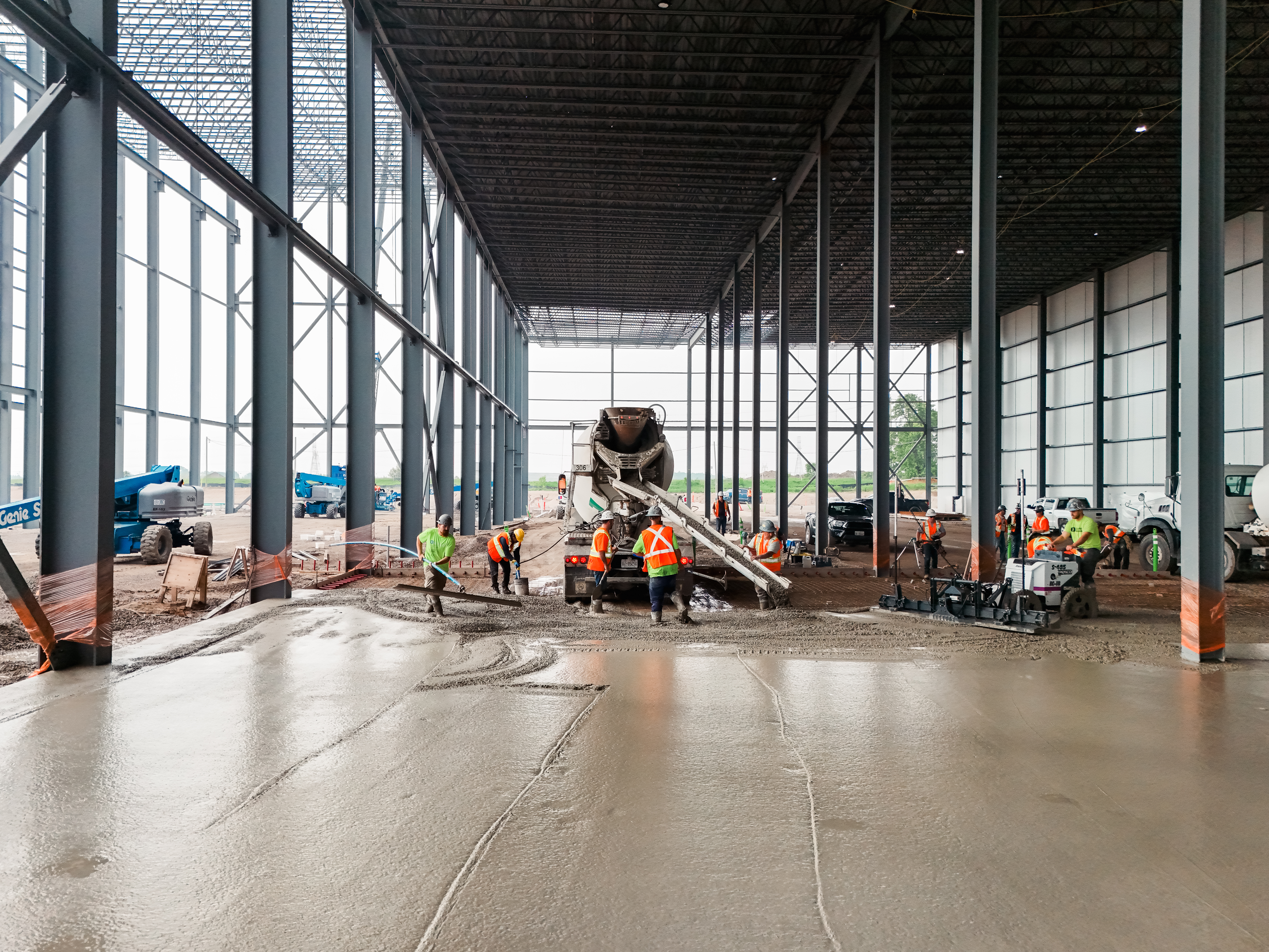
Questions to Ask Before You Approve a Finish
Before moving forward with any commercial concrete finishing project, it helps to ask a few practical questions:
- What is the primary use of this slab?
- What kind of traffic will it handle every day?
- Will the area stay dry, or will it regularly see water?
- Is appearance, traction, or maintenance the highest priority?
- Does the finish need to support staff safety, public access, or equipment movement?
- How will this finish perform after one or two Southwestern Ontario winters?
- Is this finish the best fit for the facility, or just the most familiar option?
This is also where reviewing broader industry direction can help. Brosco’s post on 2026 concrete trends in Canadian buildings provides useful context, but the right decision still comes back to the actual demands of the property.
Why Local Conditions in Southwestern Ontario Matter
Concrete decisions are not made in a vacuum.
What works well in one climate or one building type may not be ideal in Southwestern Ontario. Seasonal moisture, freeze-thaw pressure, winter maintenance demands, and the mix of indoor and outdoor use all affect how a surface should be finished and detailed.
That is also why a generic list of finish types is only part of the conversation. Brosco’s earlier article on concrete finishing techniques is useful background reading, but commercial owners usually need one more step: matching the finish to local operating conditions and risk factors.
For businesses planning new concrete work, that local perspective can help avoid issues like:
- finishes that are too slick for exposed areas
- surfaces that are harder to maintain than expected
- details that do not suit the building’s traffic demands
- design choices that look good initially but underperform over time
Work With a Contractor Who Can Recommend the Right Finish
The best commercial finish is the one that supports the way the property functions.
That means choosing a finish with the full picture in mind:
- facility type
- traffic patterns
- moisture exposure
- maintenance realities
- safety expectations
- local climate conditions
If you are planning a commercial slab, upgrade, or new construction project in London or the surrounding region, Brosco can help you evaluate the right approach for your site and your use case.
You can review Brosco’s commercial concrete finishing service page for a starting point, then get a quote to discuss the finish, performance expectations, and scope that make the most sense for your facility.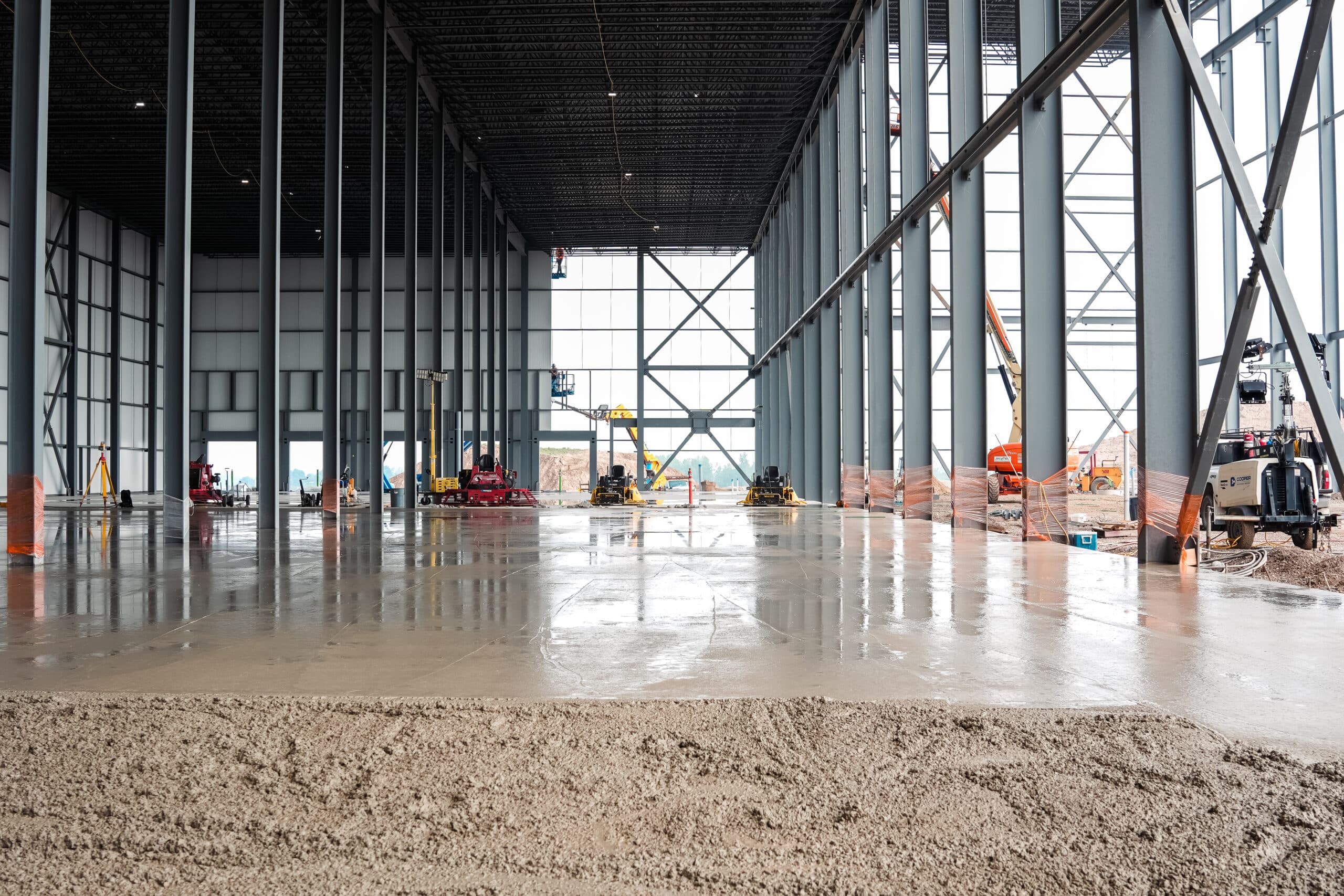
Frequently Asked Questions
What is the best commercial concrete finish for a warehouse?
That depends on traffic, cleaning requirements, moisture exposure, and how the space is used. Warehouses typically prioritize durability and performance over purely decorative finishes.
Are smoother commercial concrete finishes always better?
Not necessarily. Some environments benefit from a smoother appearance, but others need more texture or traction for safety, especially in exterior or moisture-prone areas.
How do I choose between appearance and safety for a commercial slab?
The goal is usually to balance both, but the final decision should reflect the space’s real use conditions. Customer-facing areas, industrial zones, and exterior slabs often have very different finish requirements.
Why should local climate affect commercial concrete finishing?
In Southwestern Ontario, moisture, freeze-thaw conditions, and seasonal wear all influence how a concrete surface performs. That makes finish selection more than a design choice.
Choose for Performance, Not Just Appearance
A commercial slab should be built and finished for the way the property actually operates.
If you are investing in new concrete work, the smartest move is to choose a finish that supports durability, safety, maintenance, and long-term value from the start.
For guidance on the right commercial concrete finishing approach for your building, connect with Brosco Concrete and plan the project around real operating needs, not guesswork.