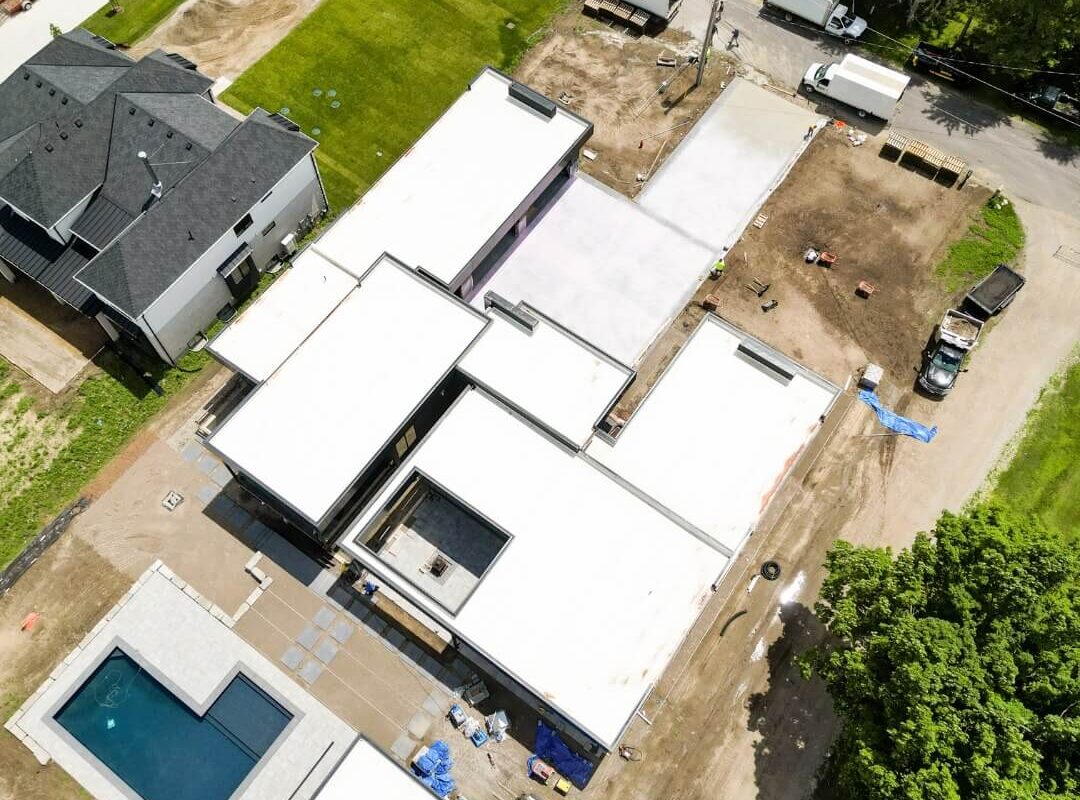
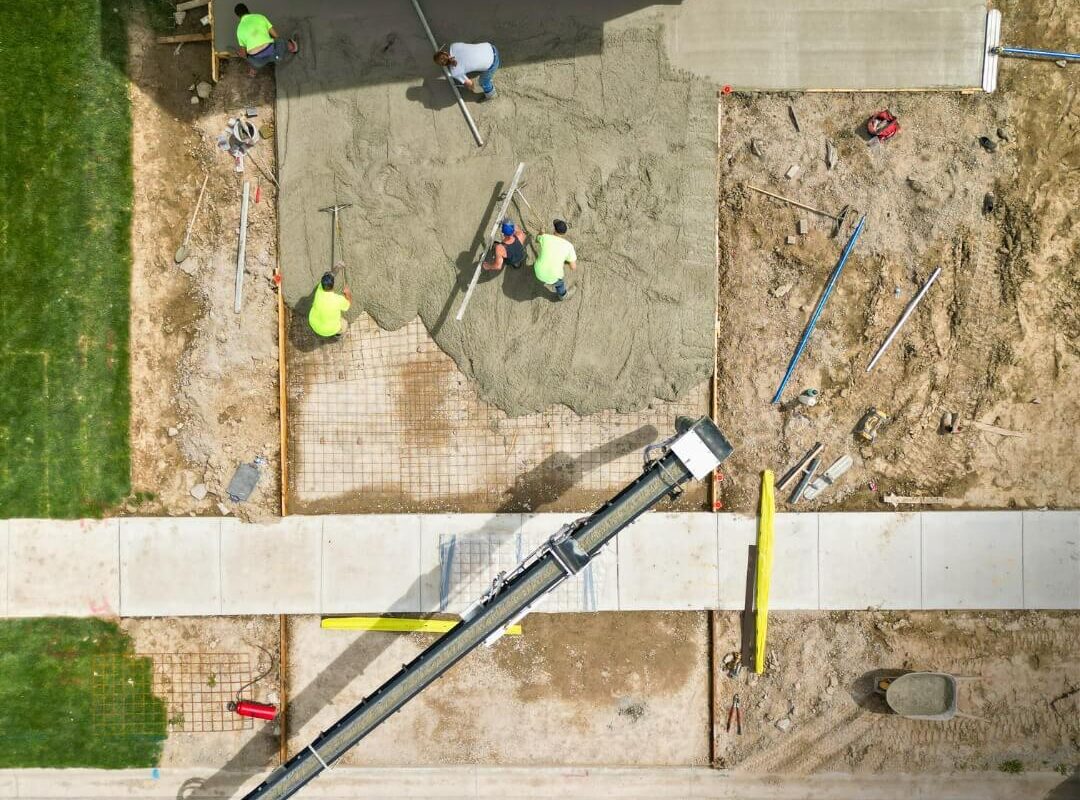
Summer is when homeowners really start using their concrete.
Driveways see more traffic. Patios become daily hangout space. Walkways, steps, porches, and pool-adjacent areas all get more wear in a few months than they sometimes do the rest of the year.
That’s why summer is not just a season to enjoy your concrete. It’s also the season to protect it.
For homeowners across Southwestern Ontario, the best summer concrete care starts with catching the issues spring already exposed and staying ahead of the wear that warm-weather use can bring.
1. Start With a Proper Post-Spring Inspection
Before you focus on cleaning or sealing, start with condition.
If you haven’t already done a spring walkthrough, Brosco’s spring concrete driveway inspection checklist is the right place to begin.
That inspection step matters because summer care works best when you’re maintaining sound concrete, not ignoring damage that is already spreading.
Pay special attention to:
- cracks that look longer or wider than they did earlier in the year
- edges that are chipping or breaking down
- slabs that look uneven or slightly sunken
- areas where water still sits after rain
- surface wear that is turning into flaking or scaling
If you start summer with a clear baseline, it’s much easier to tell whether the surface is staying stable or getting worse.
2. Keep Surfaces Clean and Watch for Staining
Summer dirt builds up quietly.
Dust, leaves, fertilizer residue, barbecue grease, vehicle drips, and standing moisture can all make concrete surfaces look older faster than they need to.
A basic summer care routine should include:
- sweeping debris off regularly
- rinsing off dirt before it gets ground in
- cleaning spills quickly, especially oils or grease
- keeping joints and edges clear so water can move properly
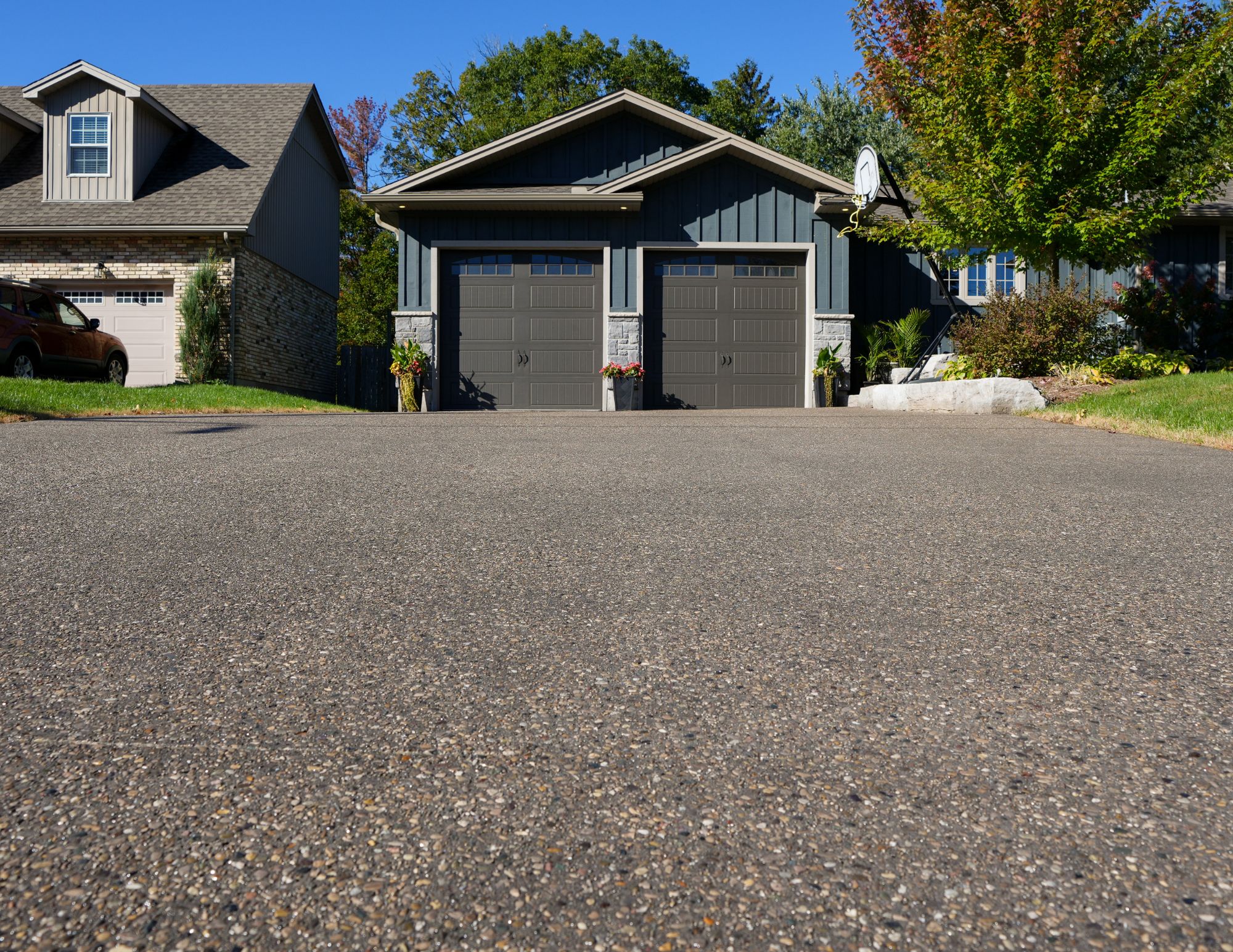
This matters on driveways, but it matters just as much on patios and walkways. If you’re already thinking about upgrades to your outdoor spaces, Brosco’s article on best spring outdoor living ideas with concrete features is a useful companion read.
3. Pay Attention to Cracks, Edges, and Movement
A lot of summer concrete care comes down to noticing the difference between normal wear and active deterioration.
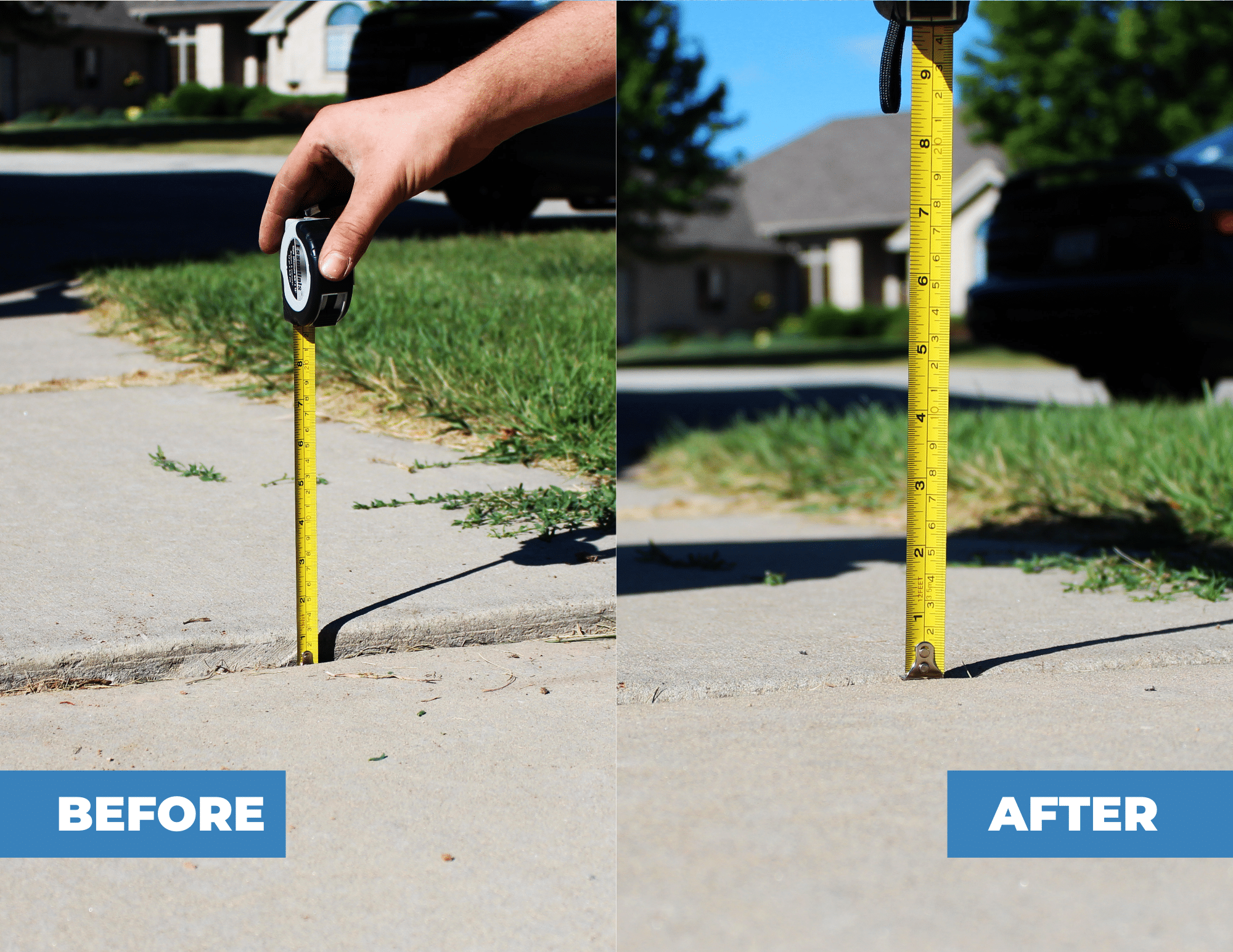
Small issues worth monitoring can become repair issues quickly when they involve movement.
Watch for:
- cracks that continue to spread
- corners or edges that break away more easily
- sections that feel less level underfoot
- steps or walkway joints turning into trip hazards
- driveway panels that start separating unevenly
If the problem is settlement or uneven slabs, residential raising and levelling is often the more relevant service.
The important thing is not waiting until late summer to find out the surface has moved more than you thought.
4. Control Water Before It Creates Bigger Problems
Water is still one of the biggest threats to residential concrete, even in summer.
Homeowners usually think of winter as the danger season, but poor summer drainage sets the table for bigger freeze-thaw damage later.
Look for signs like:
- water pooling on the driveway after rain
- runoff collecting beside a patio or steps
- downspouts draining too close to slabs
- water pushing toward the home instead of away from it
These are the kinds of problems that can contribute to erosion below the slab, movement over time, and repeated moisture exposure where you don’t want it.
If settlement is already happening, Brosco’s broader concrete levelling services page is worth reviewing.
5. Protect the Concrete Areas That Get the Most Use
Some surfaces naturally take more abuse in summer than others.
That usually includes:
- front walks and entry steps
- backyard patios
- pool-adjacent walkways
- heavily used driveways
- porch and outdoor seating areas
Those spaces deserve a closer eye because they combine traffic, moisture, furniture movement, and day-to-day use.
If you’re comparing material and design choices for driveways or exterior upgrades, Brosco’s article on stamped vs traditional concrete driveways can help frame those decisions.
And if the concrete around your home is part of a larger exterior improvement plan, Brosco’s residential concrete services page shows the full range of support available.
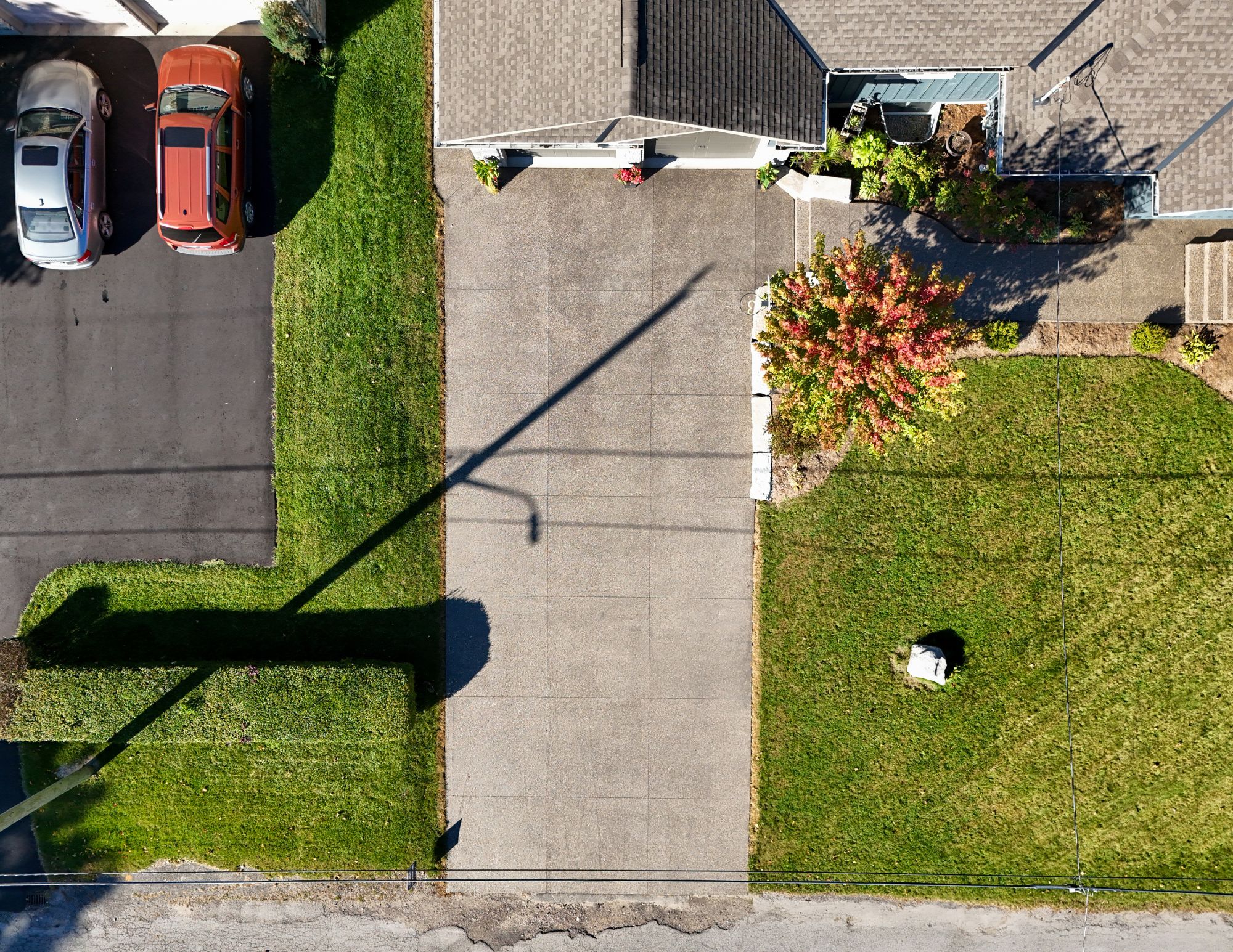
When Summer Care Turns Into Repair Work
Summer maintenance is important, but it does have a limit.
If you’re seeing:
- active cracks
- sinking or uneven sections
- repeated water problems
- worsening surface breakdown
- safety concerns on steps or walkways
then you’re probably past basic maintenance and into repair territory.
That doesn’t always mean full replacement. In many cases, targeted repair or levelling can solve the real issue if it’s addressed early enough.
The goal is to act while you still have options.
Frequently Asked Questions
Should I worry about small concrete cracks in summer?
Not every small crack is urgent, but you should monitor anything that appears to be widening, lengthening, or allowing more water in. Those are the cracks most likely to become larger repair issues.
Does summer sun damage concrete?
Sun alone is not usually the main problem. The bigger issue is the combination of heat, traffic, moisture, surface wear, and already-existing damage that keeps progressing through the season.
When should I call a concrete professional instead of just maintaining it?
Call when the issue involves movement, trip hazards, spreading cracks, drainage problems, or visible deterioration that is clearly getting worse.
Where can I get a quote for residential concrete work in Southwestern Ontario?
You can get a quote directly from Brosco Concrete for repairs, levelling, and broader residential concrete needs.
Keep Summer Use From Turning Into Bigger Repairs
Concrete usually gives you warning signs before it fails badly.
If you stay on top of inspection, cleaning, drainage, and early repair signals, you have a much better chance of keeping your driveway, patio, walkway, and steps in good shape through the busiest part of the year.
If you want a professional opinion on what you’re seeing, reach out to Brosco Concrete and get ahead of the repair before another season makes it more expensive.