Concrete problems have a way of starting small.
A hairline crack near the edge of the driveway, a patio slab that feels slightly uneven, or a spot where water seems to sit a little longer than it should might not feel urgent at first. But once warmer weather, heavier foot traffic, and spring rain move in, those small issues can turn into larger and more expensive repair problems.
For homeowners in London, Ontario, spring is often the best time to look closely at driveways, walkways, patios, steps, and concrete around the foundation. Winter freeze-thaw cycles tend to expose weak spots, and early summer conditions can make existing damage worse.
Here is how to spot the warning signs on your concrete:
1. Cracks That Are Growing or Spreading
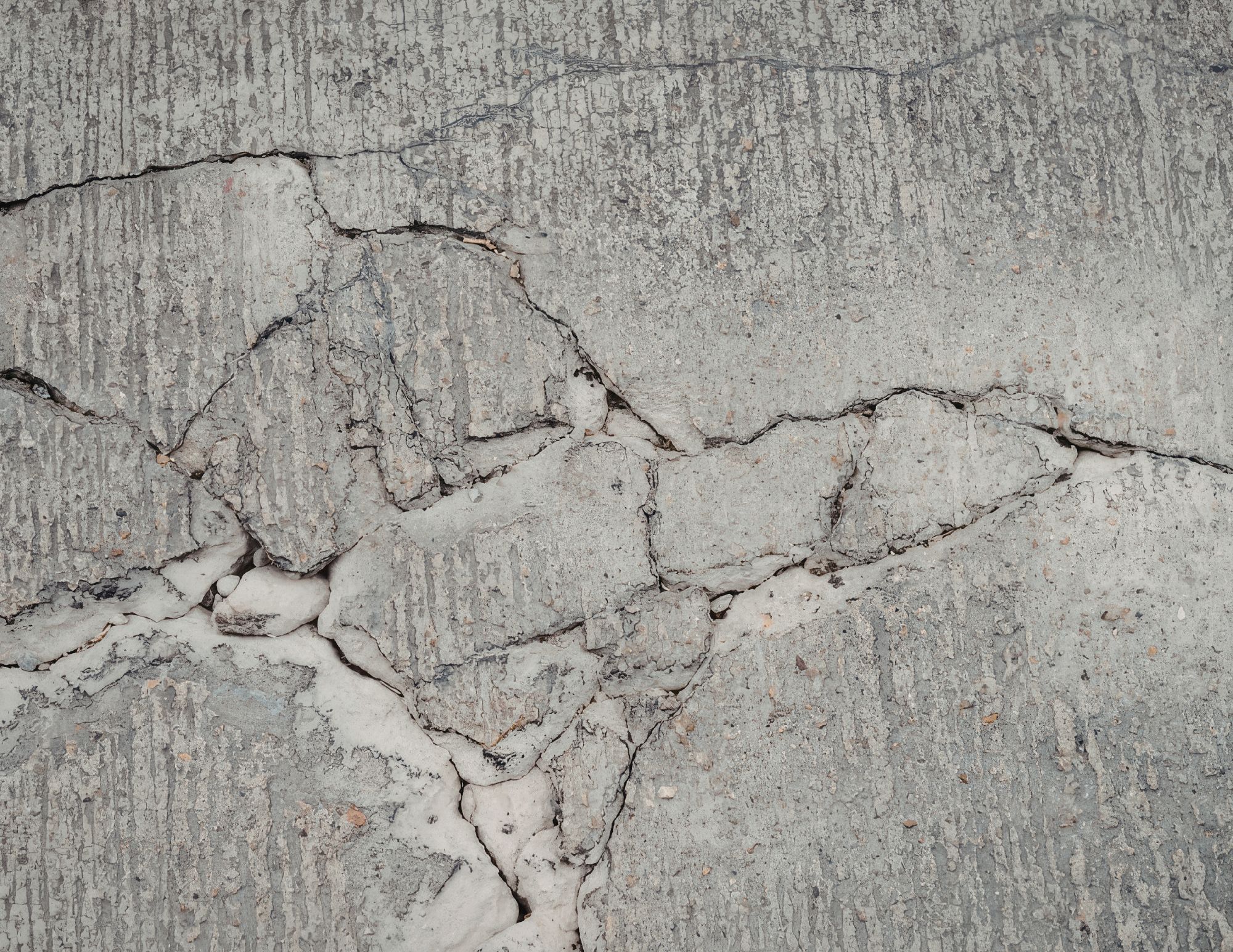
Cracks are one of the clearest signs that concrete needs attention.
Not every crack means the same thing, but if you are noticing cracks that are getting longer, wider, deeper, or more numerous, that is worth paying attention to. What looks cosmetic at first can start letting in more moisture over time, which can lead to additional movement and deterioration.
This is especially important in Southwestern Ontario, where concrete is repeatedly stressed by freeze-thaw cycles. Water gets in, temperatures shift, and the damaged area can slowly expand. That lines up with ACI’s guidance on resistance to cycles of freezing and thawing, which explains why saturated concrete is so vulnerable, and with the American Cement Association’s overview of air-entrained concrete, which explains how concrete is designed to better handle freeze-related pressure.
On a driveway, that may mean cracks spreading across the slab. On steps or a walkway, it may mean sections begin to loosen or shift. Around the foundation, cracking can raise bigger concerns if water is also moving where it should not.
If you are seeing cracks that seem more active than they were last season, it may be time to look into professional crack injection services or other repair options before the damage becomes more serious.
2. Sections That Look Sunken or Uneven
Concrete does not always fail by breaking apart. Sometimes it settles.
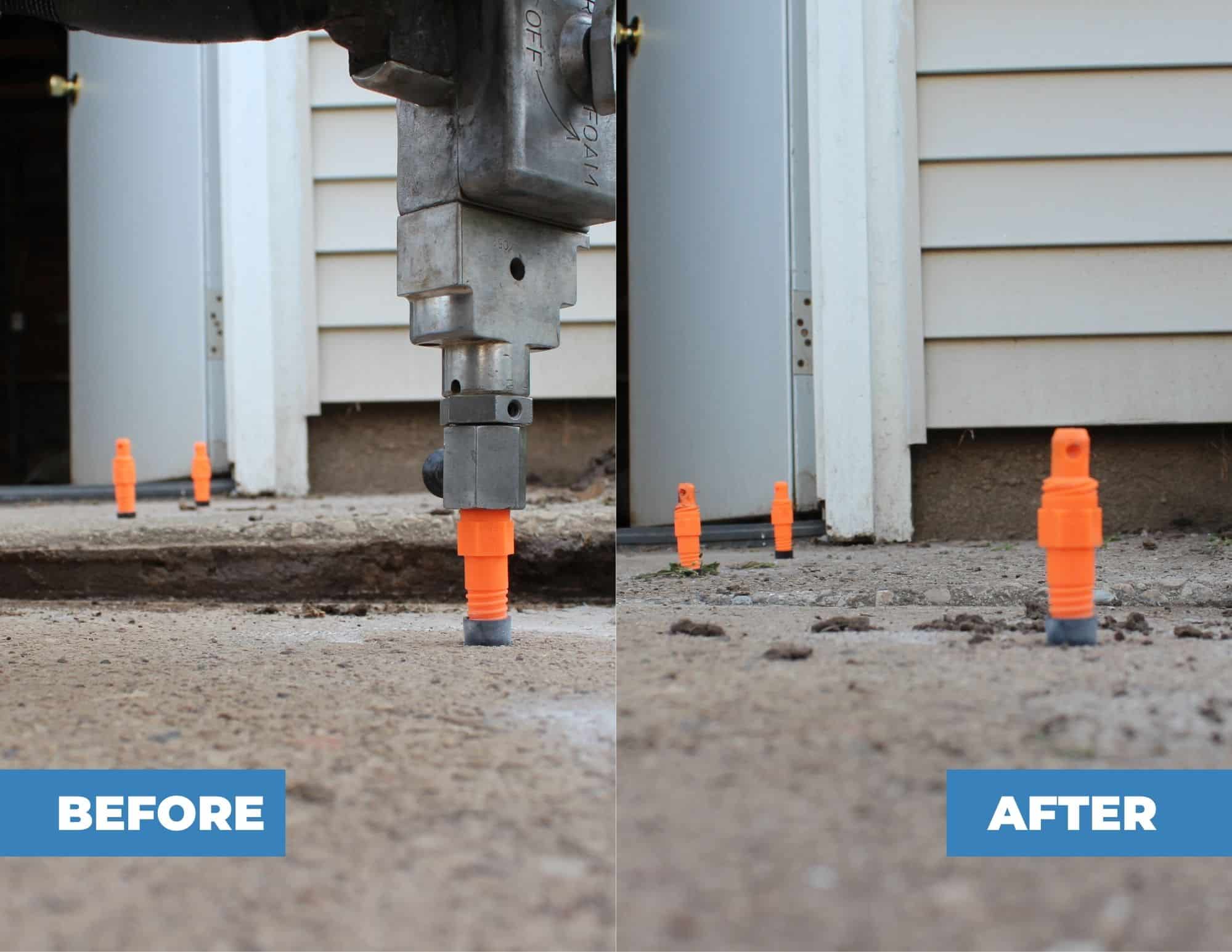
If part of a driveway, sidewalk, patio, or entry pad looks lower than the surrounding area, that may be a sign of underlying settlement. Homeowners often notice this first when one slab no longer lines up cleanly with the next, or when there is a visible tilt where the surface used to look level.
This kind of movement can happen gradually, which makes it easy to overlook. But once the weather warms up and the area sees more use, uneven surfaces tend to become more noticeable and more frustrating.
Sunken concrete is not only a visual issue. It can also create drainage problems, safety concerns, and extra wear on nearby sections.
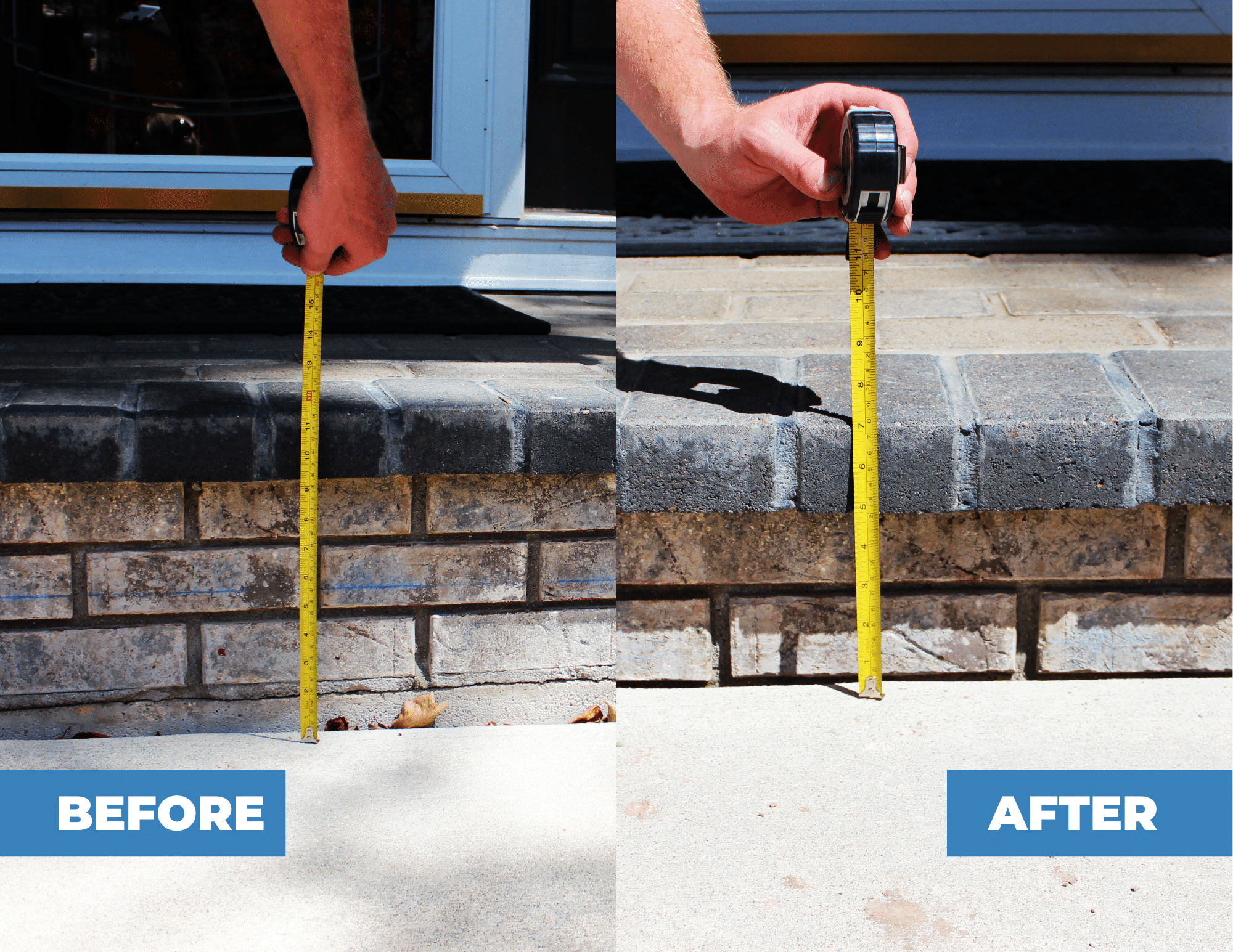
In many cases, the right fix is not full replacement. Services like residential raising and levelling can sometimes restore the surface more efficiently when settlement is the main issue.
3. Water Pooling Near Concrete or the Foundation
If water is collecting where it should normally drain away, do not ignore it.
Pooling water often points to a grading or settlement problem. A slab may have shifted slightly, or surface wear may be changing how water moves across the area. Around the home, this matters even more because poor drainage near concrete can affect surrounding surfaces and increase stress near the foundation.
You might notice: – puddles staying on the driveway or patio after rain – water collecting beside steps or walkways – moisture lingering near the edge of the house – runoff moving toward the foundation instead of away from it
This kind of issue often gets worse during spring and early summer when rainfall increases and outdoor spaces start getting used more often.
If the concrete itself is causing water to move in the wrong direction, that is a strong sign it is time for a closer look.
4. Surface Flaking, Chipping, or Crumbling
Concrete damage is not always dramatic. Sometimes the first signs show up in the surface itself.
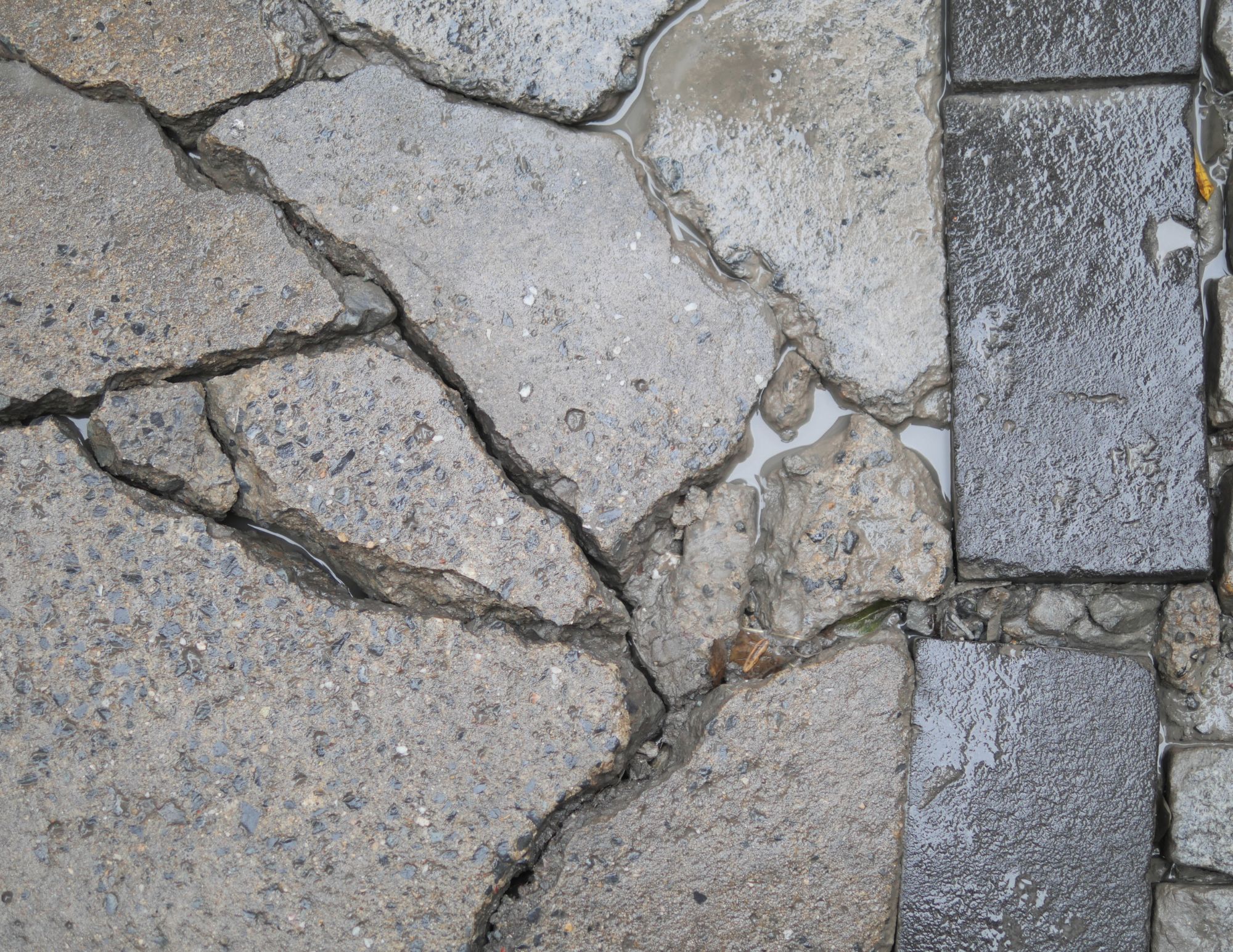
If you see flaking, scaling, pitting, chipping, or crumbling areas, the surface may already be breaking down from age, moisture exposure, salt, freeze-thaw stress, or general wear. This is common on older driveways, steps, and outdoor slabs that have taken a beating over several seasons.
Once warmer weather arrives, those damaged areas do not usually stabilize on their own. More use, more moisture, and more expansion-contraction cycles can make them wear down faster.
This is one of the reasons early repairs matter. Surface damage may begin as a cosmetic frustration, but it can turn into a larger integrity issue if the affected section continues to degrade.
5. Edges, Steps, or Walkways Becoming Trip Hazards
One of the easiest ways to tell concrete damage is becoming a real problem is when it starts affecting safety.
Raised edges, dropped slabs, cracked steps, and uneven walkway joints can all create trip hazards. These are often the kinds of issues homeowners put off because they seem minor, until someone catches a foot on them.
Summer tends to expose this problem faster. The weather is better, outdoor spaces get used more often, and guests, kids, and delivery traffic all increase. What felt like a small annoyance in March can become a real liability by June.
If any part of your concrete surface no longer feels predictable or stable underfoot, that is a good sign the repair should happen sooner rather than later.
Why Concrete Problems Often Get Worse in Summer
A lot of homeowners think concrete damage is mainly a winter issue, and winter is definitely where many of these problems begin. But summer is often when they become harder to ignore. Once freeze-thaw damage has opened the door to moisture intrusion, the surface deterioration and scaling described in ACI’s freeze-thaw guidance tend to become more visible as the slab keeps cycling through wet and dry conditions.
That is because warm-weather conditions tend to add pressure in a few ways: – more foot traffic and vehicle use – heavier rain events and drainage stress – more visible pooling and runoff problems – continued movement in already weakened sections – growing frustration once outdoor spaces are used every day
In other words, summer does not always create the problem, but it often makes an existing problem more noticeable, more inconvenient, and more expensive to leave alone.
When to Call a Concrete Repair Professional in London, Ontario
If you are noticing growing cracks, sinking sections, water issues, surface breakdown, or obvious trip hazards, it is probably time to stop watching and start getting answers.
A professional inspection can help determine whether the issue is mostly cosmetic, whether the slab can be repaired or levelled, or whether a larger fix is needed. The key is catching the problem while you still have options.
For homeowners in London, Ontario and surrounding Southwestern Ontario communities, Brosco Concrete offers repair-focused services including crack injection, concrete raising and levelling, and a wider range of residential and commercial concrete solutions.
If you want clarity before the damage gets worse, the best next step is to request a quote and have the problem assessed properly.
Frequently Asked Questions
Are all concrete cracks serious?
No, but growing, widening, or spreading cracks should not be ignored. Even smaller cracks can allow moisture in and contribute to more damage over time.
Can sunken concrete be repaired without replacing it?
In many cases, yes. If settlement is the main issue, lifting or levelling may be a practical alternative to full replacement, depending on the condition of the slab.
Why does concrete damage seem worse after winter?
Freeze-thaw cycles are hard on concrete. Moisture gets into weak spots, temperatures shift, and existing flaws often become more visible by spring.
When should I call a professional?
If the damage is spreading, affecting drainage, creating trip hazards, or making you question the condition of the slab, it is worth getting a professional opinion before summer use makes it worse.
Catch Concrete Problems Before They Turn Into Bigger Repairs
Concrete damage rarely gets better by waiting.
If you are seeing signs of cracking, sinking, pooling water, surface wear, or uneven walking surfaces, now is a smart time to act. Early repairs can help protect your property, reduce safety risks, and prevent smaller issues from turning into more disruptive work later.
If you are looking for concrete repair support in London, Ontario, reach out to Brosco Concrete for a professional assessment and the right next step for your driveway, patio, walkway, or foundation-area concrete.